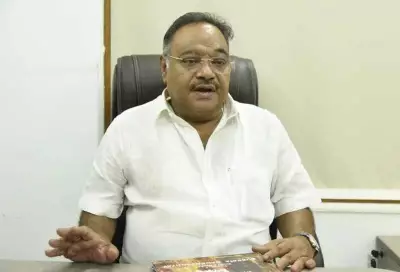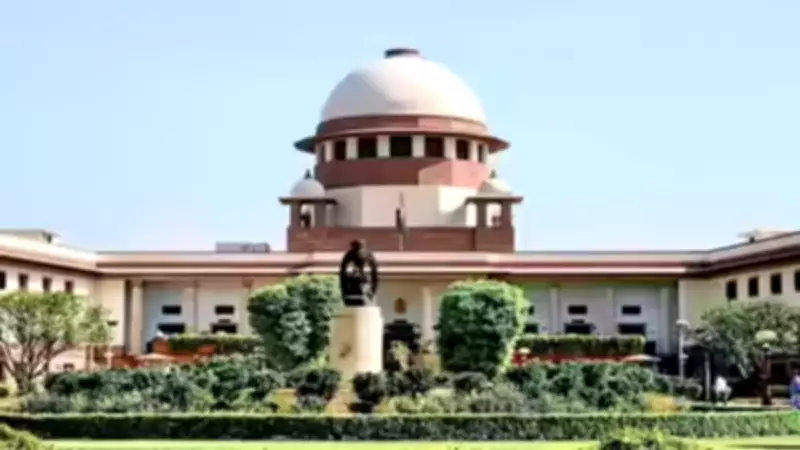
In a novel approach to request an early hearing from the Supreme Court for a decade-and-a-half-old appeal, advocate Ejaz Maqbool moved away from the blunt argument that 'justice delayed is justice denied.' Instead, he offered a philosophical observation: "Aaj kal murde bhi puchte hain ki mera case ka kya hua?" (These days even the dead ask for the status of their cases). This was a soft reminder to the judiciary that the pendency of cases is enormous, and many people perish while awaiting the fruits of litigation they initiated out of trust and faith in the three-tier justice delivery system. In reality, this system grinds the underprivileged the hardest, despite vigorous efforts to provide legal aid.
Maqbool used this poetic argument to persuade a bench comprising Chief Justice Surya Kant and Justice Joymalya Bagchi to grant an early hearing for his client, Kamlesh Laxmanbhai Patel. Patel began his legal journey in 2005 in a case against Moonshine Films. The Chief Justice smiled at the remark but maintained that the appeal would be taken up for hearing in its turn, refusing to grant an out-of-turn hearing.
The incident highlights the chronic issue of case backlog in Indian courts. According to the National Judicial Data Grid, over 4.7 crore cases are pending across various courts in India, with the Supreme Court alone having over 80,000 pending matters. The average time for disposal of a case can stretch for years, often exceeding a decade in many instances. This delay disproportionately affects the poor and marginalized, who lack resources to expedite proceedings or navigate the complex legal system.

Legal experts note that such poetic pleas are rare but underscore the frustration of litigants. While the judiciary has taken steps like computerization, alternative dispute resolution, and fast-track courts, the sheer volume of cases continues to overwhelm the system. The Supreme Court has itself acknowledged the problem, with former Chief Justice N.V. Ramana stating that "justice delayed is justice denied" and calling for systemic reforms.
In this case, Patel's appeal against Moonshine Films, filed in 2005, has been pending for nearly 19 years. The nature of the dispute was not disclosed in court, but the long wait exemplifies the struggles of many litigants. Maqbool's argument, though unsuccessful in securing an early hearing, serves as a poignant commentary on the state of justice delivery in India.