

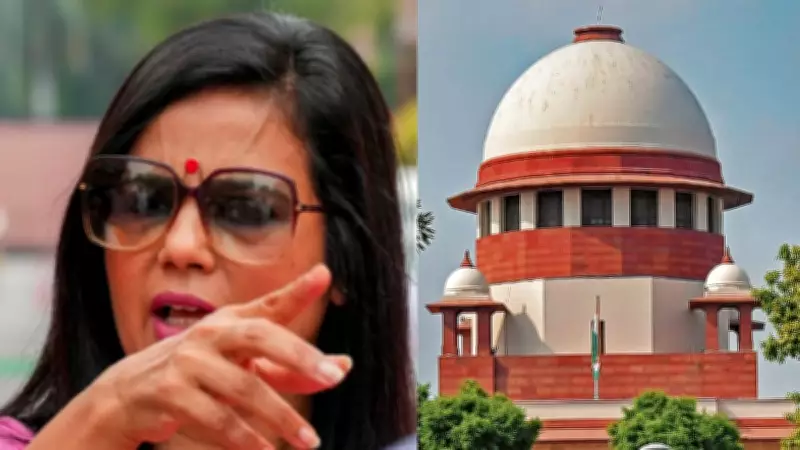
Supreme Court Intervenes in Mahua Moitra Cash-for-Query Case
The Supreme Court of India has issued a stay on a recent order from the Delhi High Court concerning the Central Bureau of Investigation's (CBI) request for sanction to prosecute Trinamool Congress Member of Parliament Mahua Moitra. This legal development pertains to the high-profile cash-for-query case, which has captured national attention due to its implications for parliamentary ethics and integrity.
Background of the Allegations
The case revolves around serious allegations that Mahua Moitra, a prominent MP from Krishnanagar in West Bengal, asked questions in the Lok Sabha in exchange for cash and gifts from a businessman. These accusations suggest a breach of parliamentary conduct, raising concerns about the misuse of legislative privileges for personal gain. The CBI has been investigating the matter, seeking formal sanction to proceed with legal action against the parliamentarian.
Delhi High Court's Ruling and Supreme Court's Stay
Earlier, the Delhi High Court had issued an order related to the sanction process for the CBI to try Mahua Moitra. However, the Supreme Court has now stepped in, staying this order temporarily. This judicial intervention halts the lower court's directive, pending further review and hearings in the apex court. The stay indicates that the Supreme Court will examine the legal nuances and procedural aspects of the case before any final decision is made.

The Supreme Court's action underscores the complexity and sensitivity of the matter, involving:
- Interpretation of legal provisions regarding sanction for prosecution of MPs.
- Assessment of evidence and allegations in the cash-for-query scandal.
- Consideration of parliamentary privileges and immunity issues.
Implications and Next Steps
This stay order has significant implications for the ongoing investigation and potential trial. It may delay the CBI's efforts to prosecute Mahua Moitra, allowing time for legal arguments to be presented in the Supreme Court. The case highlights broader issues of accountability and transparency in India's political system, with potential repercussions for how similar allegations are handled in the future.
As the Supreme Court reviews the matter, stakeholders including legal experts, political observers, and the public will closely monitor developments. The outcome could set precedents for handling cases involving allegations of misconduct by elected representatives, emphasizing the need for robust legal frameworks to uphold democratic values.
In summary, the Supreme Court's stay on the Delhi High Court order marks a critical juncture in the cash-for-query case against Mahua Moitra, ensuring a thorough judicial examination before any further action is taken by investigative agencies.






