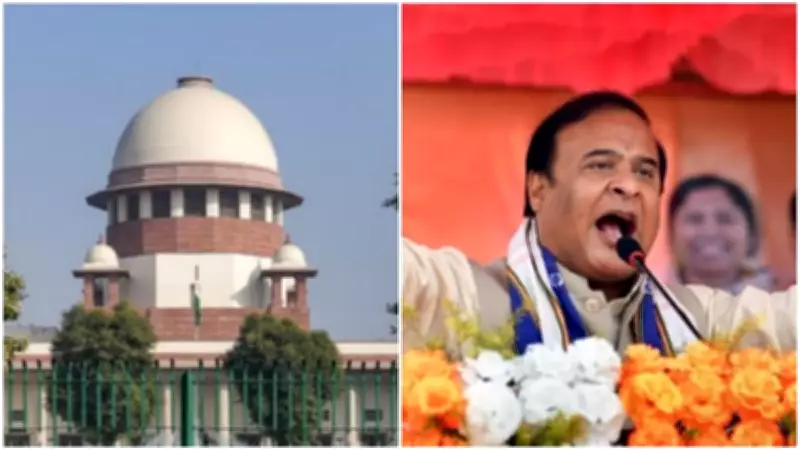
Supreme Court Calls on Political Leaders to Uphold Fraternity in Nation
The Supreme Court of India has issued a significant statement, urging political leaders to actively foster a spirit of fraternity across the country. This directive came during a hearing where the court emphasized the critical responsibility that politicians hold in maintaining social harmony and constitutional principles.
Bench Declines to Entertain PIL Seeking Guidelines for Speeches
A bench comprising Chief Justice Surya Kant and Justices B V Nagarathna and Joymalya Bagchi, however, declined to entertain a Public Interest Litigation (PIL) that sought specific guidelines for politicians and the media. The PIL had requested the court to establish rules for reporting or amplifying speeches by leaders that allegedly impact fraternity and constitutional values.
The court's decision to not entertain this plea underscores a judicial stance that such matters may require a different legal approach or fall under existing frameworks. Despite this, the bench made it clear that the overarching message about fraternity remains paramount.

Context and Implications of the Court's Remarks
In its observations, the Supreme Court highlighted that political leaders must play a proactive role in nurturing unity and respect among diverse communities. The court's emphasis on fraternity aligns with the core values enshrined in the Indian Constitution, which promote social justice and equality.
The petitioners had argued that unchecked speeches by politicians, often amplified by media channels, could undermine these constitutional values. They sought judicial intervention to create a regulatory mechanism to prevent potential harm to national cohesion.
Legal and Political Reactions
While the court declined the PIL, it suggested that the petitioners could file a fresh plea if they wished to pursue the matter further. This indicates that the door is not entirely closed on future legal actions regarding this issue.
The ruling has sparked discussions in political and legal circles about the balance between free speech and the need to protect fraternal bonds. Experts note that the Supreme Court's call for political leaders to foster fraternity serves as a moral and ethical guideline, even in the absence of new legal mandates.
As India continues to navigate complex social dynamics, this development underscores the ongoing dialogue between judicial oversight and political responsibility in upholding the nation's foundational principles.