Supreme Court to Hear Urgent Plea Against ECI's Electoral Roll Freeze in West Bengal
The Supreme Court of India has scheduled a hearing for April 13, 2026, to address an urgent plea challenging the Election Commission of India's (ECI) order to freeze electoral rolls in West Bengal. This legal action comes ahead of the upcoming Assembly elections in the state, raising significant concerns about voter eligibility and electoral integrity.
Urgent Hearing Requested by Petitioner's Lawyer
The plea was filed by a petitioner whose lawyer has strongly urged the court to hear the case on an urgent basis. The lawyer argued that the freezing of electoral rolls by the ECI could potentially disenfranchise eligible voters and disrupt the democratic process in West Bengal. This move has sparked a heated debate over the timing and implications of such an order so close to the election period.
Background of the ECI Order
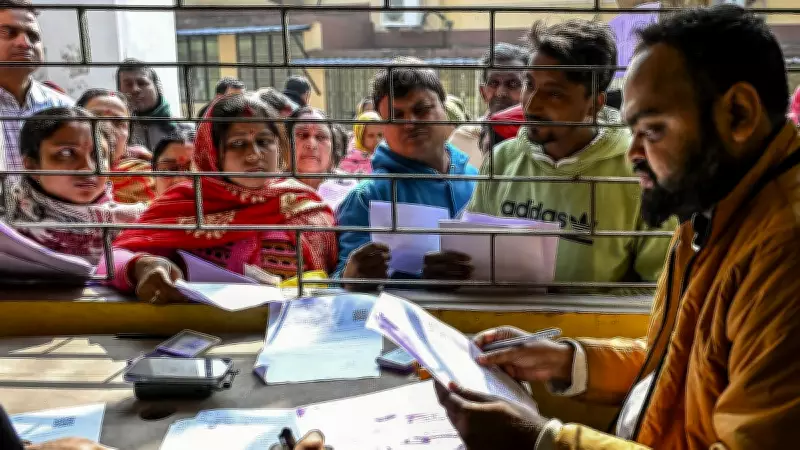
The Election Commission of India issued the order to freeze the electoral rolls as part of its standard pre-election procedures. However, the petitioner contends that this action is premature and could lead to the exclusion of legitimate voters who have not yet been registered or whose details need updating. The ECI typically freezes rolls to finalize the voter list for polling, but critics argue that in this instance, it may unfairly impact voter participation.

Key points of contention include:
- The potential for voter disenfranchisement due to the freeze.
- The urgency of the plea given the proximity to the Assembly polls.
- The legal grounds for challenging the ECI's authority in this matter.
Implications for West Bengal Assembly Elections
The upcoming Assembly elections in West Bengal are highly anticipated, with political parties gearing up for a competitive race. The Supreme Court's decision on this plea could have far-reaching consequences for the electoral landscape. If the court rules in favor of the petitioner, it might lead to a revision of the electoral rolls, potentially allowing more voters to participate. Conversely, upholding the ECI's order would maintain the current frozen list, which could influence voter turnout and election outcomes.
Legal experts are closely monitoring the case, as it touches on fundamental aspects of electoral law and the balance of power between the judiciary and the Election Commission. The hearing on April 13 is expected to be a pivotal moment in determining how electoral processes are managed in the lead-up to major elections.
Next Steps and Broader Context
As the Supreme Court prepares to hear the plea, stakeholders from across the political spectrum in West Bengal are awaiting the outcome with bated breath. This case highlights the ongoing tensions between ensuring electoral fairness and adhering to administrative timelines set by the ECI. It also underscores the critical role of the judiciary in safeguarding democratic principles during election seasons.
In summary, the urgent plea against the ECI's electoral roll freeze in West Bengal represents a significant legal challenge that could reshape voter access and electoral dynamics in the state. The Supreme Court's ruling will not only impact the immediate Assembly polls but also set a precedent for future electoral disputes across India.