

Supreme Court to Hear Plea on EC's Freeze of West Bengal Electoral Rolls
The Supreme Court of India is set to hear a significant plea regarding the Election Commission's decision to freeze and finalize the electoral rolls for the upcoming West Bengal Assembly Elections in 2026. This legal challenge comes after the poll panel officially locked the voter lists on April 9, 2026, specifically for assembly seats scheduled to go to the polls in the first stage of the elections. The move by the Election Commission has sparked controversy, leading to judicial intervention as stakeholders seek clarity and potential revisions to the electoral process.
Details of the Electoral Roll Freeze
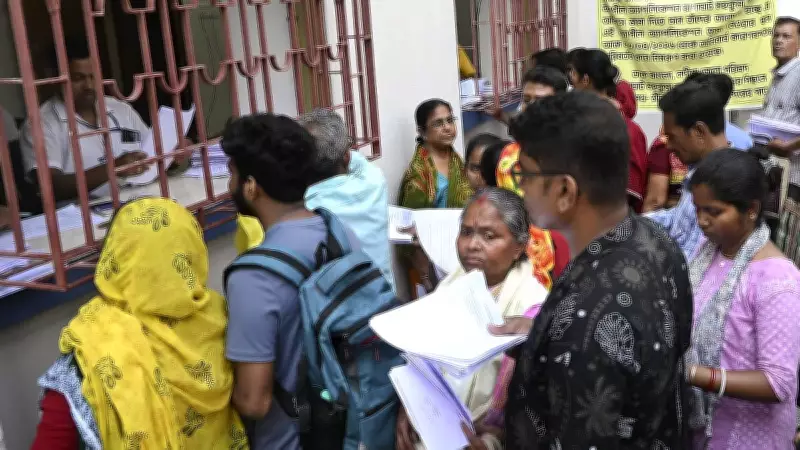
On April 9, 2026, the Election Commission conducted a special intensive revision of the electoral rolls, resulting in their freezing and finalization. This action is a standard procedure aimed at ensuring accuracy and preventing last-minute changes that could disrupt the electoral timeline. However, it has raised concerns among political parties and civil society groups, who argue that the freeze may exclude eligible voters or include inaccuracies, prompting the plea to the Supreme Court. The court's hearing is expected to address these grievances and examine the legality and fairness of the EC's decision.
Implications for West Bengal Assembly Elections 2026
The West Bengal Assembly Elections in 2026 are highly anticipated, with the first stage of polling covering key constituencies. The Supreme Court's involvement adds a layer of judicial oversight to the pre-election preparations, potentially influencing voter eligibility and campaign strategies. If the court rules in favor of the plea, it could lead to a reopening or modification of the electoral rolls, delaying the election schedule. Conversely, upholding the EC's decision would reinforce the commission's authority and the integrity of the electoral process. This development underscores the critical role of judicial review in maintaining democratic norms during election cycles.

Background and Context
West Bengal has a history of politically charged elections, and the 2026 assembly polls are no exception. The Election Commission's special intensive revision was part of efforts to clean up the voter lists and prevent malpractices. However, critics allege that the timing and execution of the freeze could be manipulated for partisan gains. The Supreme Court hearing will provide a platform for legal arguments and evidence, with potential ramifications for election transparency and fairness. As the case progresses, it will be closely monitored by political analysts, legal experts, and the public, highlighting the intersection of law and politics in India's electoral democracy.






