Supreme Court's SIR Directive: A Timely Intervention or Logistical Nightmare?
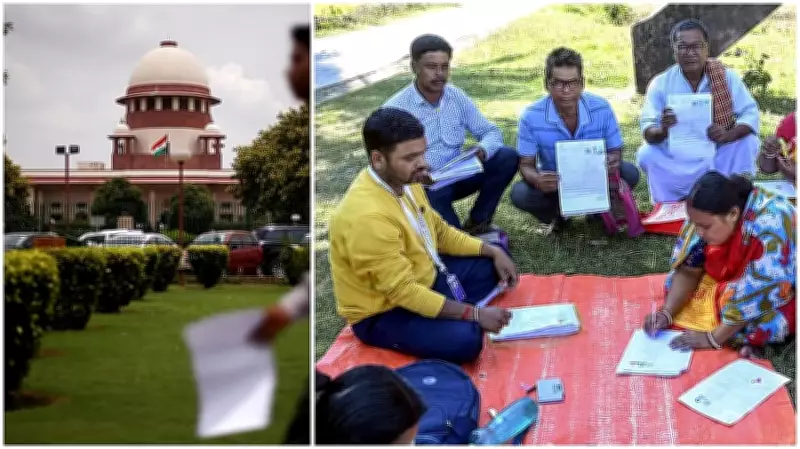
The Supreme Court of India has issued a directive mandating a Special Intensive Revision (SIR) of the electoral rolls, a move aimed at enhancing voter inclusivity and accuracy in the democratic process. However, this decision, coming just days before the scheduled polling date, has sparked a significant debate among election officials and political analysts.
Late Revision Raises Administrative Concerns
Traditionally, electoral preparations, including finalizing voter lists, commence at least five days prior to polling day to ensure smooth logistics and minimize errors. The court's late intervention, while well-intentioned, may complicate these established protocols. Election authorities now face the daunting task of implementing the SIR within a compressed timeframe, potentially straining resources and personnel.
This revision process involves verifying and updating voter details, which is critical for preventing fraud and ensuring fair elections. However, rushing such a meticulous procedure could lead to oversights or inaccuracies, undermining the very purpose of the SIR.

Potential Impacts on Voter Participation
On one hand, the SIR aims to address gaps in the electoral rolls, such as missing names or outdated information, which could disenfranchise eligible voters. By ordering this revision, the Supreme Court seeks to uphold the fundamental right to vote and promote greater democratic participation. This aligns with broader efforts to make elections more inclusive and transparent.
On the other hand, the timing of the directive raises questions about its practicality. Voters may face confusion or last-minute changes, affecting turnout and trust in the electoral system. Election officials must balance the urgency of compliance with the need for thoroughness, a challenge that could have ripple effects on polling day operations.
Broader Implications for Electoral Integrity
The Supreme Court's involvement highlights ongoing concerns about electoral integrity in India. Key aspects of this issue include:
- Administrative Feasibility: Can election bodies efficiently execute the SIR without disrupting other preparations?
- Voter Awareness: How will voters be informed of changes to the rolls in such a short span?
- Legal Compliance: What are the consequences if the revision cannot be completed in time?
This situation underscores the delicate balance between judicial oversight and operational realities in election management. While the court's intent to safeguard democratic principles is commendable, the execution of the SIR may test the limits of existing electoral infrastructure.
In conclusion, the Supreme Court's directive for a Special Intensive Revision of electoral rolls represents a pivotal moment in India's electoral landscape. It emphasizes the importance of accurate voter lists but also exposes potential logistical hurdles. As the country navigates this complex scenario, the outcome will likely influence future election policies and practices, shaping how democracy functions on the ground.