India's Secular Political Parties Face Challenges in Opposing Hindutva Forces
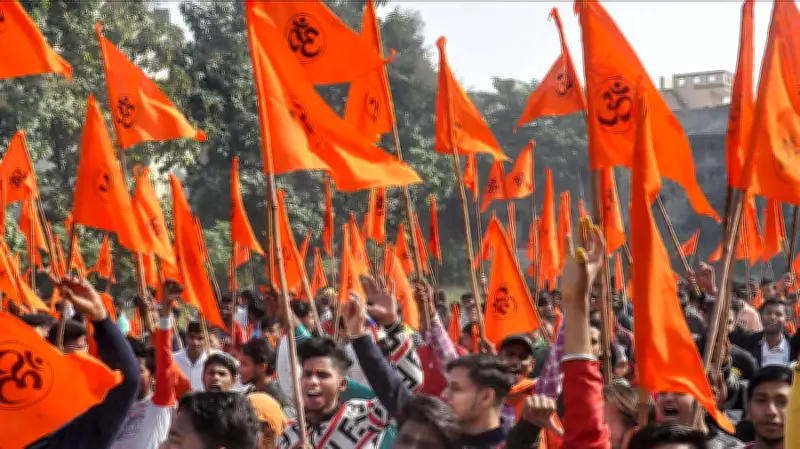
In recent political developments across India, secular political parties are increasingly struggling to mount an effective opposition against the rising influence of Hindutva forces. This trend highlights significant gaps in strategy, messaging, and ideological coherence within the secular political landscape.
Lack of Cohesive Strategy and Clear Messaging
One of the primary issues facing secular parties is their inability to present a unified and compelling alternative narrative. Unlike Hindutva groups that often promote a clear, culturally rooted agenda, many secular parties appear fragmented and reactive. This lack of a cohesive strategy undermines their ability to connect with voters on critical issues such as social justice, economic development, and national identity.
Furthermore, secular parties frequently fail to articulate a distinct vision that resonates with India's diverse population. Without strong, consistent messaging, they risk being perceived as merely opposing Hindutva rather than offering substantive solutions to the country's challenges.

Ideological Inconsistencies and Electoral Setbacks
The ideological inconsistencies within secular parties have contributed to their electoral setbacks in various regions. In states where Hindutva forces have gained ground, secular parties often struggle to adapt their platforms to local concerns while maintaining their core principles. This has led to a decline in voter support, particularly among communities that feel underserved by traditional political narratives.
Additionally, internal divisions and leadership conflicts within secular parties further weaken their capacity to challenge Hindutva movements. Without strong, charismatic leaders who can galvanize support, these parties find it difficult to compete in the highly polarized political environment.
Impact on Democratic Discourse and Future Prospects
The failure of secular parties to effectively counter Hindutva forces has broader implications for India's democratic discourse. It raises concerns about the health of political pluralism and the ability of diverse voices to be heard in the national conversation. As Hindutva ideologies gain prominence, there is a risk that alternative perspectives may be marginalized, potentially affecting policy decisions and social cohesion.
Looking ahead, secular parties must reevaluate their approaches to regain relevance. This could involve building stronger coalitions, engaging more deeply with grassroots movements, and developing innovative policies that address contemporary issues. By doing so, they may enhance their ability to present a viable alternative to Hindutva forces and contribute to a more balanced political landscape.

- Secular parties in India are facing significant challenges in opposing Hindutva forces due to strategic and ideological weaknesses.
- The lack of a cohesive narrative and clear messaging hampers their ability to connect with voters and offer compelling alternatives.
- Electoral setbacks and internal divisions further undermine their capacity to mount effective opposition.
- The situation impacts democratic discourse, highlighting the need for secular parties to adapt and innovate to remain relevant.