Seer Challenges UP CM to Ban Beef Exports and Declare Cow as 'Rajya Mata'
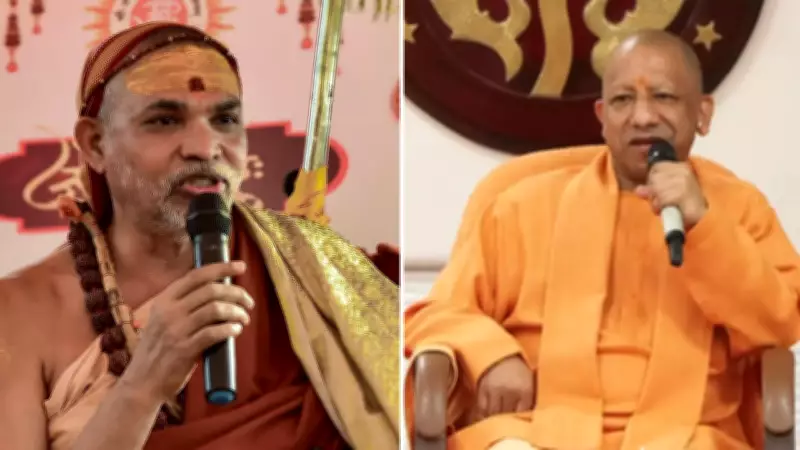
In a bold move that has reignited debates over religious values and governance in Uttar Pradesh, Swami Avimukteshwaranand Saraswati on Friday called upon Chief Minister Yogi Adityanath to immediately halt beef exports from the state and officially declare the cow as 'Rajya Mata' (Mother of the State). The seer asserted that such decisive actions would serve as tangible proof of the chief minister's dedication as a 'Hindu sympathiser'.
Background of the Controversy
These remarks emerge against the backdrop of an ongoing controversy that began earlier this month when Swami Avimukteshwaranand was allegedly prevented from taking a holy dip at the Sangam during the Magh Mela in Prayagraj. Speaking to reporters in Varanasi, the seer revealed that he had staged a sit-in protest for 11 days following the incident but ultimately left the Magh Mela ground last Wednesday 'with a heavy heart'.
'When I sat there for 11 days, no official asked me to take a dip. Now it is too late. I will go to the Magh Mela next year and take a respectful bath,' he stated, highlighting his disappointment with the administration's handling of the situation.

Demands for Demonstrating Hindu Values
Directly challenging the Uttar Pradesh government, Swami Avimukteshwaranand emphasized that ceasing cow slaughter and beef exports should be the primary step in showcasing a genuine commitment to Hindu principles. 'Our credentials were asked for, and we submitted them. Now you have to give proof of being a Hindu sympathiser. The first step of being a Hindu is love for cows. Declare the cow as 'Rashtra Mata' and stop the export of cow meat from Uttar Pradesh,' he declared, framing the issue as a test of faith and governance.
Origins of the Dispute
The controversy traces back to January 18, when Swami Avimukteshwaranand was traveling in a palanquin to the Sangam on the occasion of Mauni Amavasya. A dispute erupted after police and administrative officials requested him to dismount and proceed on foot, citing concerns over heavy crowds. The Mela administration later alleged that his supporters broke a barricade on a pontoon bridge, complicating crowd management efforts.
In response to the incident, the seer initiated a sit-in protest outside the Shankaracharya camp, demanding an apology and a dignified escort for the ritual bath. He subsequently announced that he would refrain from taking the dip until the administration apologized for what he described as misbehavior towards him and his followers.
Administrative and Political Repercussions
Amid the escalating row, the Mela administration issued a notice seeking an explanation regarding the seer's use of the title of Shankaracharya of Jyotish Peeth, referencing a civil appeal pending before the Supreme Court. Swami Avimukteshwaranand countered by questioning how camps of two Shankaracharyas from Puri were permitted at the same mela, adding another layer to the dispute.
The issue has since triggered significant political and administrative reactions across Uttar Pradesh:
- Prashant Kumar Singh, a deputy commissioner in the Uttar Pradesh GST department posted in Ayodhya, resigned from service citing moral reasons. He expressed being hurt by what he termed as baseless allegations against the chief minister and the prime minister by the seer.
- Bareilly city magistrate Alankar Agnihotri also resigned, voicing concerns over the alleged insult to Swami Avimukteshwaranand and broader social issues stemming from the controversy.
Political Responses and Campaigns
The Congress party has announced an awareness campaign against the perceived insult of the Shankaracharya. Party leaders have accused the state administration of insensitivity and have demanded that the governor take suo motu cognisance of the matter and initiate appropriate action to address the grievances raised by the seer and his followers.
This unfolding saga underscores the deep-seated intersections of religion, politics, and administration in Uttar Pradesh, with Swami Avimukteshwaranand's demands placing renewed focus on bovine protection and Hindu identity in the state's policy framework.