

Amit Shah and Arjun Ram Meghwal Propose Legislative Changes to Women's Reservation Law
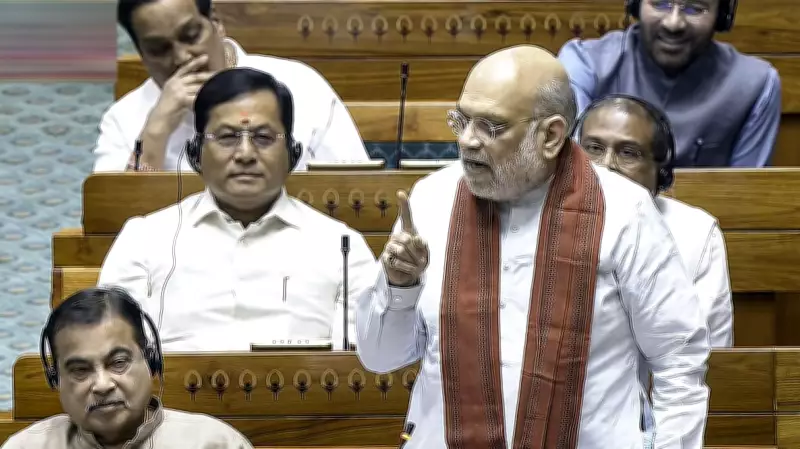
In a significant parliamentary development, Union Home Minister Amit Shah and Union Law Minister Arjun Ram Meghwal have introduced two crucial bills in the Lok Sabha. The proposed legislation aims to amend the existing women's reservation law and establish a dedicated delimitation commission to oversee the implementation process.
Key Provisions of the Proposed Bills
The bills presented by the ministers seek to introduce technical adjustments to the women's quota framework that was previously passed by Parliament. While specific details of the amendments were not immediately disclosed in initial reports, the move indicates the government's intention to refine the operational mechanisms of the reservation policy.
Concurrently, the legislation proposes the formation of a delimitation panel. This commission would be tasked with determining the geographical boundaries and seat allocations necessary for the effective execution of the women's reservation mandate across parliamentary and state assembly constituencies.

Congress Raises Questions About Legislative Timing
The introduction of these bills has sparked immediate political debate, with Congress General Secretary K C Venugopal raising pointed questions about the timing and necessity of the proposed changes. In his response, Venugopal questioned why these specific amendments were not incorporated into the original women's reservation law when it was debated and passed by Parliament.
"This raises legitimate concerns about legislative consistency and planning," Venugopal stated, highlighting what he perceives as an oversight in the initial drafting of the reservation legislation. His comments reflect broader opposition scrutiny of the government's approach to implementing gender quota policies.
Broader Implications for Women's Political Representation
The proposed bills represent a critical juncture in India's ongoing efforts to enhance women's participation in electoral politics. The women's reservation law, which mandates one-third reservation for women in the Lok Sabha and state legislative assemblies, has been a subject of extensive political discussion for decades.
The establishment of a delimitation commission through this legislation would address one of the key implementation challenges identified by policy experts. Delimitation exercises are essential for redrawing constituency boundaries to accommodate reservation requirements while maintaining demographic balance and electoral fairness.
Political analysts suggest that these amendments, if passed, could streamline the rollout of women's reservation by creating clearer procedural guidelines and institutional mechanisms. However, the opposition's questioning indicates that the legislative process may face scrutiny regarding the rationale behind these post-enactment modifications.
As the bills proceed through parliamentary procedures, stakeholders across the political spectrum will be monitoring how these proposed changes might affect the timeline and effectiveness of women's political empowerment initiatives in India.






