Amit Shah Launches Scathing Attack on Congress Over Naxal Violence
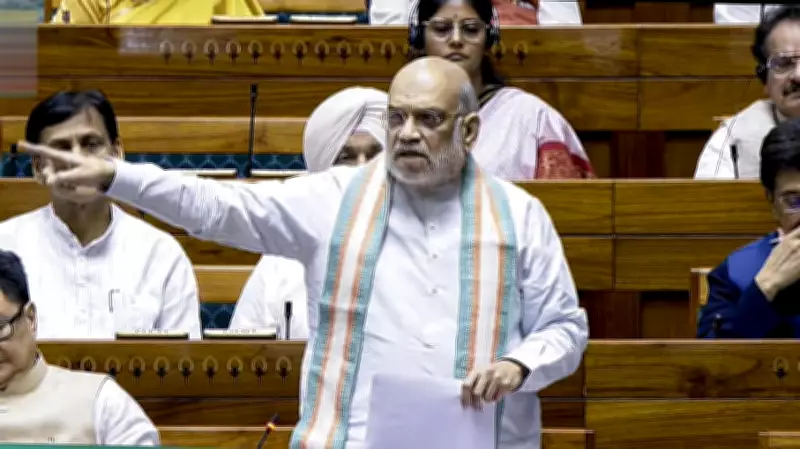
Union Home Minister Amit Shah has made explosive allegations against the Congress party and its leader Rahul Gandhi, directly linking them to left-wing extremism in India. In a strongly worded statement, Shah claimed that Rahul Gandhi has effectively become a Naxal due to his close proximity and associations with Maoist elements.
Historical Context: Indira Gandhi's 1969 Power Struggle
Shah expanded his criticism to include historical context, specifically targeting former Prime Minister Indira Gandhi's political maneuvers during the 1969 Presidential election. According to Shah, Indira Gandhi's tussle for power within the Congress party during that critical period led her to seek and secure support from Left parties.
This alliance, Shah asserted, resulted in Indira Gandhi falling into what he described as a 'firm grip of Maoists' that has had lasting consequences for India's political landscape and security situation.

Direct Allegations Against Rahul Gandhi
The Home Minister's most direct accusation focused on current Congress leader Rahul Gandhi. "Rahul has become Naxal due to his proximity with Maoists," Shah stated unequivocally, suggesting that personal associations have fundamentally compromised Gandhi's political position regarding left-wing extremism.
This represents one of the most serious charges leveled against a mainstream political leader in recent years, directly connecting an opposition figure to violent extremist movements that have claimed thousands of lives across India.
Broader Accusations Against Congress Party
Beyond targeting individual leaders, Shah placed responsibility for left-wing violence squarely on the Congress party as an institution. His comments suggest a pattern of historical and contemporary connections between the party and Maoist elements that continue to influence India's internal security challenges.
The allegations come at a time when:
- Naxal violence remains a significant security concern in several Indian states
- Political debates about appropriate responses to left-wing extremism continue
- Historical relationships between political parties and extremist groups are being reexamined
Political Implications and Context
These remarks from the Union Home Minister carry substantial political weight, particularly given his position overseeing India's internal security apparatus. The accusations:
- Directly challenge the Congress party's credibility on national security issues
- Attempt to establish historical continuity between past and present Congress leadership
- Frame left-wing extremism as fundamentally linked to opposition politics
The timing of these allegations, made on March 30, 2026, suggests they may be part of broader political positioning ahead of upcoming electoral contests, where national security and governance records are likely to be central issues.
As India continues to grapple with the complex challenge of left-wing extremism, these allegations from the country's top security official add a new dimension to the political discourse surrounding one of the nation's most persistent security threats.