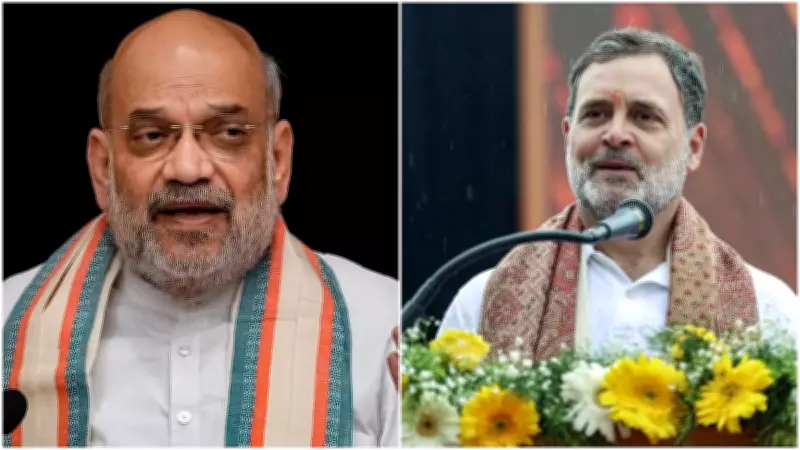
Union Home Minister Amit Shah has launched a sharp criticism against Congress leader Rahul Gandhi, alleging that he showed disrespect towards North East India by refusing to wear the traditional gamosa scarf during the President's Republic Day event. The incident, which occurred on January 30, 2026, has sparked a political controversy, with Shah highlighting what he called a deliberate snub of regional cultural symbols.
The Gamosa Controversy at Republic Day Celebrations
According to Amit Shah, Rahul Gandhi was the "only one to refuse" to wear the gamosa, a white cotton scarf with red borders that holds significant cultural and symbolic value in Assam and other North Eastern states. Shah emphasized that all other dignitaries present at the event, including foreign representatives, had adorned the scarf as a mark of respect and acknowledgment of India's diverse heritage.
Political Implications and Reactions
The Union Home Minister's remarks have ignited a debate over cultural sensitivity and political gestures in India's public sphere. Shah argued that Gandhi's refusal to wear the gamosa reflects a broader pattern of neglect towards the North Eastern regions, which have often felt marginalized in national discourse. This accusation comes at a time when the government has been actively promoting initiatives to integrate and celebrate the cultural uniqueness of India's eastern states.

In his statement, Shah pointed out that the gamosa is not merely an accessory but a revered item used in ceremonies, as a sign of honor, and in daily life across Assam. By declining to wear it, Rahul Gandhi, according to Shah, missed an opportunity to demonstrate solidarity and respect for the traditions of North East India. The event was attended by numerous high-profile figures, making Gandhi's alleged refusal stand out conspicuously.
Broader Context of North East Representation
This incident sheds light on the ongoing efforts to ensure that the North East receives adequate recognition and representation in national events. The gamosa has been increasingly featured in official functions as a symbol of inclusivity and cultural pride. Shah's criticism suggests that political leaders are expected to participate in such gestures to foster unity and respect across India's diverse communities.
As of now, there has been no official response from Rahul Gandhi or the Congress party regarding these allegations. The controversy underscores the delicate balance between political symbolism and cultural respect in India's vibrant democracy. Observers note that such incidents often become focal points in the larger narrative of regional identity and national integration.