

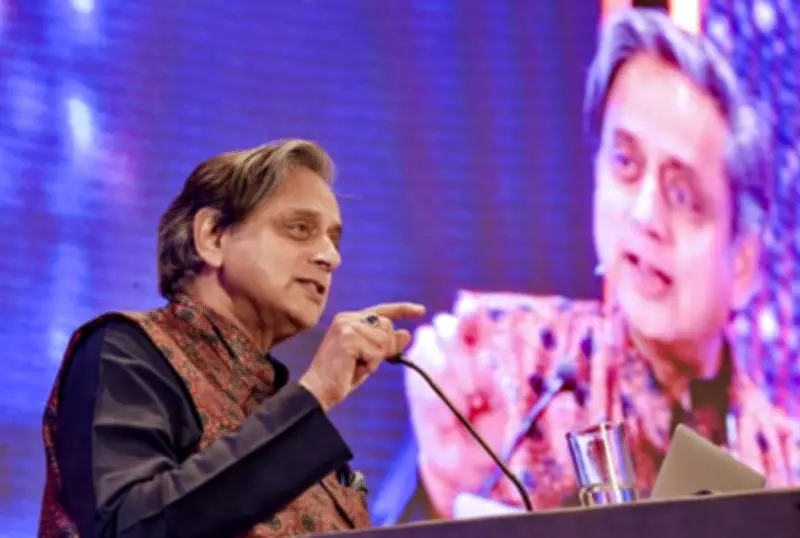
Shashi Tharoor Raises Concerns Over Kerala Renaming Plan Approved by Cabinet
Congress MP and former Union Minister Shashi Tharoor has publicly questioned the Indian Cabinet's recent approval of a plan to rename the state of Kerala. The proposal, which aims to change the state's official name, has sparked a debate over its implications for cultural and linguistic identity, particularly regarding widely used terms like 'Keralite' and 'Keralan'.
Cabinet's Decision and Tharoor's Response
The Cabinet, in a meeting held recently, gave its nod to a plan that seeks to alter the name of Kerala. While specific details of the new name have not been fully disclosed, the move is part of broader administrative or cultural initiatives. Shashi Tharoor, known for his articulate stance on national issues, took to social media and public forums to express his reservations. He highlighted that such a change could have far-reaching effects beyond mere nomenclature.
Tharoor emphasized, "What happens to the terms 'Keralite' and 'Keralan'? These are not just words; they embody the identity and heritage of the people from this region. A renaming could disrupt historical continuity and create confusion in official documents, literature, and everyday usage."

Impact on Cultural and Linguistic Identity
The terms 'Keralite' and 'Keralan' are deeply ingrained in the cultural fabric of the state. 'Keralite' is commonly used to refer to the people of Kerala, while 'Keralan' appears in various historical and literary contexts. Tharoor's concerns revolve around how a name change might affect these identifiers, potentially leading to:
- Administrative challenges in updating government records, passports, and legal documents.
- Cultural dissonance as traditional terms may become obsolete or require rebranding.
- Public sentiment, with many citizens expressing attachment to the current name and its associated terms.
Experts in linguistics and history have noted that state renaming often involves complex processes, including legislative amendments and public consultation. Tharoor's intervention adds a significant voice to the discourse, urging policymakers to consider the broader implications before implementation.
Broader Context and Reactions
This development comes amid a trend of state renaming in India, driven by cultural, political, or historical reasons. The Cabinet's approval for Kerala follows similar moves in other states, aiming to reflect regional identities or correct historical inaccuracies. However, Tharoor's questions highlight the need for a balanced approach that respects both administrative goals and cultural heritage.
Reactions from political circles and the public have been mixed. Some support the renaming as a step towards asserting regional pride, while others, echoing Tharoor, caution against hasty decisions that might erase established identities. The debate is expected to intensify as more details emerge and the plan moves towards legislative approval.
In conclusion, Shashi Tharoor's critique of the Kerala renaming plan underscores the importance of thoughtful deliberation in such matters. As the government proceeds, it must address concerns about terms like 'Keralite' and 'Keralan' to ensure a smooth transition that honors the state's rich legacy while embracing potential changes.






