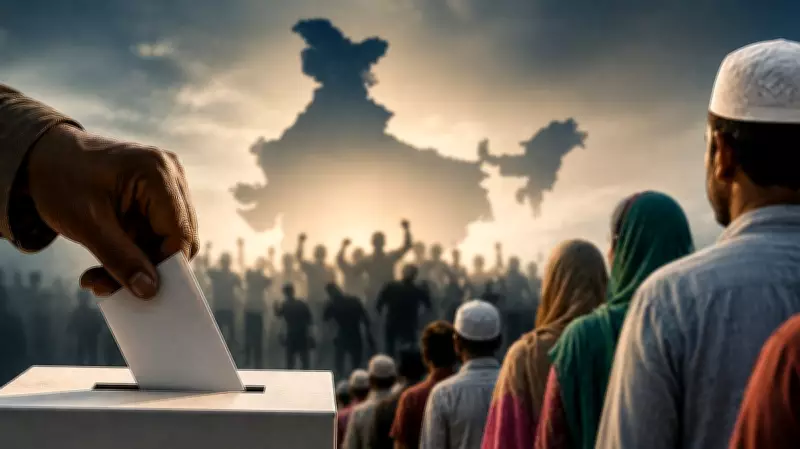
The political representation of Muslims in India is witnessing a significant paradigm shift, according to a recent opinion piece by Sayed Rashad Ikmal. The article, published on May 11, 2026, argues that the real question is not merely who represents Muslims, but how that representation is perceived and politicised in the current political landscape.
Changing Dynamics
Historically, Muslim representation in Indian politics has been a subject of intense debate. However, Ikmal suggests that the focus has shifted from the identity of representatives to the broader implications of their presence in political institutions. The perception of Muslim politicians is increasingly shaped by their alignment with larger political narratives, rather than their ability to address community-specific issues.
Politicisation of Representation
The article highlights how representation itself has become a tool for political mobilisation. Political parties often use the presence or absence of Muslim candidates to signal their stance on secularism or minority rights. This politicisation, Ikmal notes, can overshadow the substantive policy outcomes that affect the Muslim community.

- Tokenism vs. Substance: There is a growing concern that Muslim representatives are sometimes reduced to symbolic figures, rather than being effective policymakers.
- Community Expectations: The community itself has diverse expectations, ranging from economic development to social justice, which complicates the role of elected representatives.
Broader Implications
Ikmal argues that the paradigm shift reflects a deeper transformation in Indian democracy. The perception of Muslim representation is no longer confined to electoral politics but extends to civil society, media, and public discourse. This change demands a re-evaluation of how minority representation is understood and practiced.
In conclusion, the article calls for a nuanced understanding of political representation, one that goes beyond counting heads and examines the quality and impact of that representation. The future of Muslim political engagement in India, Ikmal suggests, depends on moving from perception to performance.