

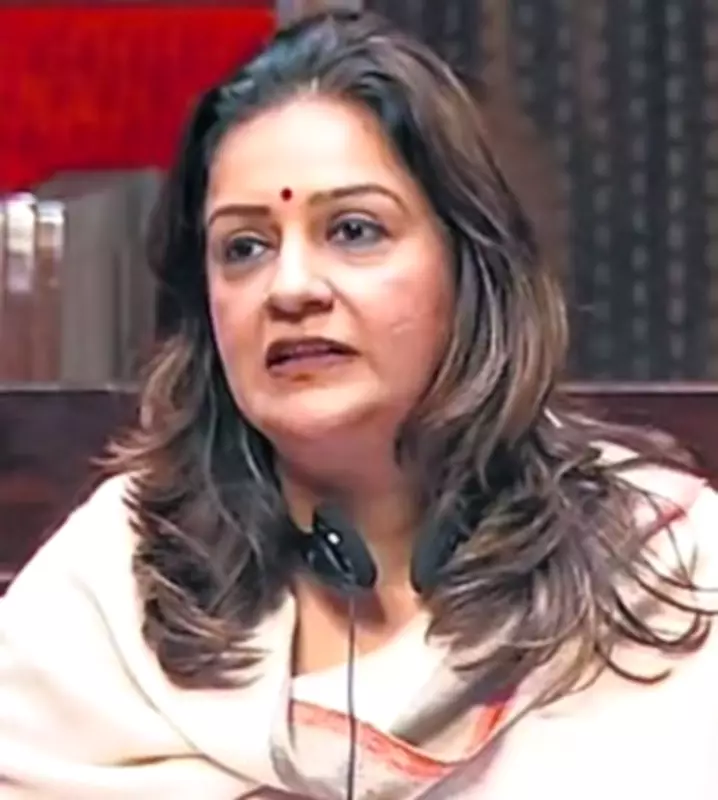
Shiv Sena UBT's Priyanka Chaturvedi Strays from Opposition Consensus on Women's Bill
In a significant political development, Shiv Sena UBT MP Priyanka Chaturvedi has publicly deviated from the opposition's collective stance on the contentious Women's Reservation Bill. This move has ignited discussions within political circles and raised questions about the unity of opposition parties on key legislative matters.
A Departure from Opposition Unity
Priyanka Chaturvedi, a prominent figure within the Shiv Sena UBT faction, has expressed views that contrast sharply with the opposition's official position on the Women's Reservation Bill. While most opposition parties have maintained a unified front in their criticism or support of the bill, Chaturvedi's statements indicate a potential rift or independent thinking within her party's ranks.
This deviation comes at a crucial time when the bill, which aims to reserve seats for women in legislative bodies, is under intense parliamentary scrutiny. Chaturvedi's stance has not only drawn attention from political analysts but also from within her own alliance, prompting debates on party discipline and ideological consistency.

Political Implications and Reactions
The divergence by Priyanka Chaturvedi has sparked varied reactions across the political spectrum. Supporters argue that her position reflects a nuanced understanding of the bill's implications, while critics view it as a breach of opposition solidarity. This incident highlights the complexities of coalition politics in India, where individual members may sometimes prioritize personal or regional interests over party lines.
Moreover, Chaturvedi's move could influence the broader discourse on women's representation in politics. By stepping away from the opposition's unified narrative, she has brought additional perspectives into the public debate, potentially enriching the discussion on gender equality and legislative reforms.
Background on the Women's Reservation Bill
The Women's Reservation Bill has been a long-standing issue in Indian politics, with proposals to allocate a certain percentage of seats in Parliament and state legislatures for women. The bill has faced numerous hurdles over the years, including political opposition and procedural delays. Chaturvedi's recent comments add a new layer to this ongoing saga, as they challenge the conventional opposition approach to the legislation.
This development underscores the dynamic nature of Indian politics, where alliances and positions can shift rapidly. It also raises questions about the future of the Women's Reservation Bill and whether such deviations will lead to more fragmented or collaborative efforts in its passage.
In summary, Priyanka Chaturvedi's departure from the opposition line on the Women's Reservation Bill marks a notable moment in contemporary Indian politics. As debates continue, her stance may prompt other politicians to reevaluate their positions, potentially shaping the trajectory of this critical legislative initiative.






