

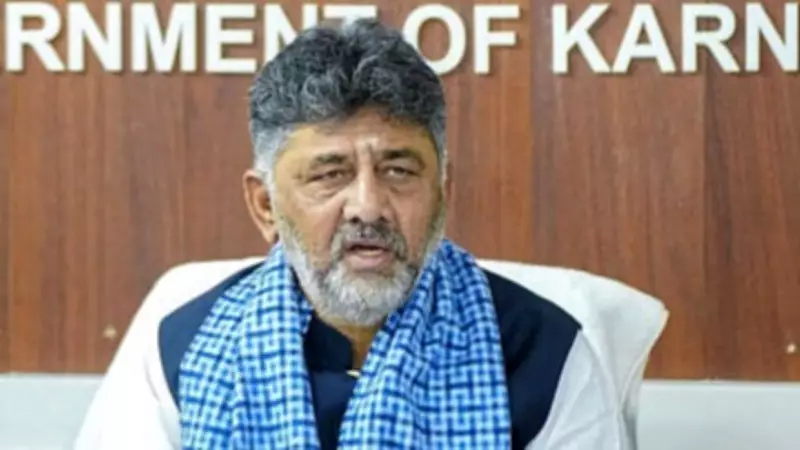
Karnataka Deputy CM D K Shivakumar Declares Constitutional Bill Defeat a Triumph for I.N.D.I.A. Bloc
In a significant political development, Karnataka Deputy Chief Minister D K Shivakumar has proclaimed the defeat of a constitutional bill as a resounding victory for the I.N.D.I.A. bloc. This statement underscores the ongoing tensions in Indian politics, particularly regarding legislative reforms and opposition strategies.
Opposition's Stance on Women's Reservation and Delimitation
While the opposition, including the I.N.D.I.A. bloc, has consistently voiced its support for the Women's Reservation Bill, aimed at enhancing female representation in legislative bodies, it has expressed strong opposition to linking this legislation with the delimitation exercise. Delimitation involves the redrawing of electoral boundaries based on population data, a process that can significantly impact political dynamics and representation across states.
The defeat of the bill, which sought to tie women's reservation to delimitation, is seen by Shivakumar and his allies as a strategic win. It reflects the bloc's ability to mobilize against measures they perceive as potentially diluting the effectiveness of women's reservation or introducing complexities that could delay its implementation.

Political Implications and Broader Context
This development highlights key issues in Indian governance:
- Legislative Strategy: The I.N.D.I.A. bloc's opposition to the bill's linkage with delimitation showcases its focus on ensuring that women's reservation is implemented without conditionalities that might hinder its progress.
- Federal Dynamics: As a prominent leader from Karnataka, Shivakumar's remarks emphasize the role of state-level politicians in national debates, particularly concerning constitutional amendments and electoral reforms.
- Coalition Politics: The victory claim underscores the growing influence of opposition coalitions like I.N.D.I.A. in shaping legislative outcomes, even as they navigate diverse interests within their ranks.
The debate over the Women's Reservation Bill has been longstanding, with advocates pushing for its passage to address gender disparities in political representation. However, the introduction of delimitation as a precondition has sparked controversy, with critics arguing it could lead to delays or inequities in implementation.
Looking Ahead: Future of Women's Reservation in India
With this defeat, the path forward for the Women's Reservation Bill remains uncertain. The I.N.D.I.A. bloc's stance suggests a continued push for a standalone bill that prioritizes women's representation without additional hurdles. As political parties gear up for future elections, this issue is likely to remain a focal point in campaigns and policy discussions.
In conclusion, D K Shivakumar's declaration marks a pivotal moment in Indian politics, where opposition unity has thwarted a legislative move, reinforcing the bloc's commitment to its principles. The ongoing dialogue around women's reservation and delimitation will undoubtedly shape the contours of India's democratic landscape in the coming years.






