

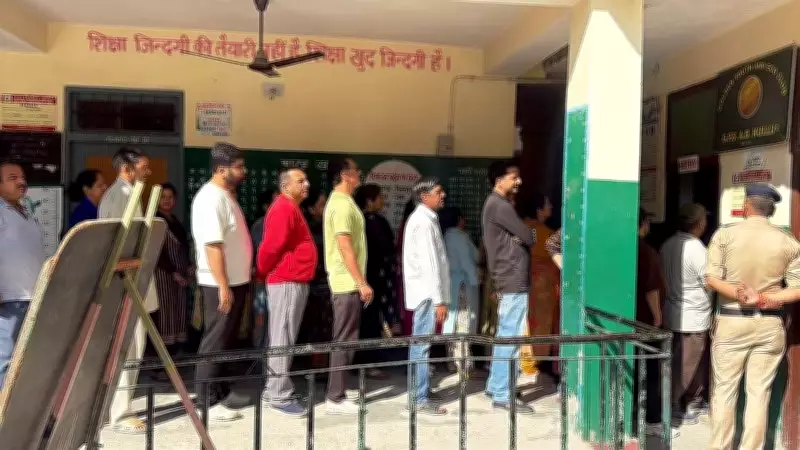
The concept of simultaneous elections in India, often referred to as 'One Nation, One Election,' has been a subject of debate for years. Proponents argue that holding Lok Sabha and state assembly elections together would lead to significant cost savings, reduce the burden on administrative machinery, and minimize the disruption caused by frequent election campaigns. However, despite these potential benefits, the idea has failed to build a broad political consensus.
Arguments in Favor
Supporters of simultaneous polls highlight several advantages. First, it would drastically cut down the expenditure incurred by the Election Commission, political parties, and the government. Second, it would free up security forces and administrative staff for other duties. Third, it would ensure that governance is not repeatedly interrupted by the model code of conduct, which restricts policy announcements and development work. Fourth, it could lead to better policy continuity and long-term planning.
Challenges and Opposition
Despite these benefits, many political parties and constitutional experts have raised concerns. The primary objection is that simultaneous elections could undermine the federal structure by subsuming state issues under national narratives. Regional parties fear that their local concerns would be overshadowed by national issues, giving an advantage to larger national parties. Additionally, logistical challenges such as the need for additional electronic voting machines and security personnel are significant. There is also the risk of a government collapsing mid-term, which would disrupt the synchronized cycle.

Political Consensus Elusive
The lack of consensus is evident from the fact that the idea has been debated for decades without any concrete progress. The Law Commission and various parliamentary committees have studied the issue but failed to arrive at a unanimous recommendation. The current political climate, marked by intense polarization, makes it even more difficult to achieve the required two-thirds majority in Parliament for constitutional amendments.
In conclusion, while simultaneous elections offer potential benefits, they are not enough to overcome the deep-seated political and constitutional hurdles. Until a broader consensus is built, the idea remains a distant dream.






