SKM Intensifies Pressure, Calls for Commerce Minister's Ouster Over Trade Pact
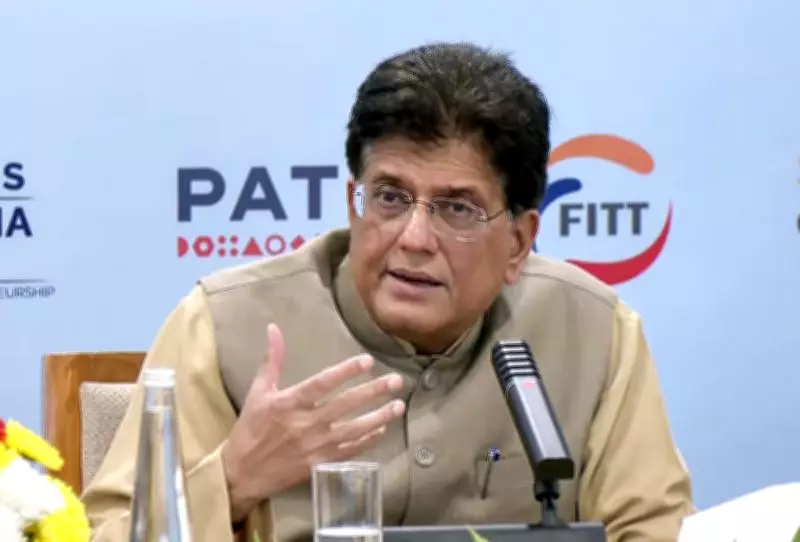
The Samyukt Kisan Morcha (SKM), a prominent coalition of farmers' unions, has escalated its political campaign by formally demanding the removal of Union Commerce and Industry Minister Piyush Goyal from his cabinet position. This decisive move comes in direct response to the minister's recent involvement in signing an international trade agreement that the farmers' body vehemently condemns as "anti-farmer" and detrimental to India's agricultural sovereignty.
Allegations of a Detrimental Trade Agreement
In a strongly worded statement released on Tuesday, the SKM leadership accused Minister Goyal of "compromising the interests of millions of Indian farmers" by endorsing a trade deal that, according to them, would flood the domestic market with cheap agricultural imports. The organization argues that such an influx would severely undercut local produce prices, pushing already struggling farmers deeper into financial distress and threatening the viability of small and marginal landholdings across the nation.
The specific details of the trade pact in question were not fully disclosed in the public announcement, but SKM representatives hinted it involves concessions on import duties for certain agricultural commodities. This, they claim, violates the government's earlier assurances of protecting minimum support prices (MSP) and ensuring fair remuneration for farmers.

Political Repercussions and Broader Context
This demand for Goyal's removal marks a significant intensification of the ongoing friction between the farmers' movement and the central government. The SKM, which was instrumental in the year-long protests against the now-repealed farm laws, has positioned this latest trade deal as a continuation of policies hostile to the agricultural community.
The morcha has announced plans to mobilize its vast network to stage nationwide demonstrations and rallies to amplify its demand. "We will not remain silent while policies are crafted that sacrifice the farmer at the altar of corporate and international trade interests," a senior SKM leader stated.
The development places the government in a challenging position, balancing its international trade commitments with domestic political pressures, especially with key state elections on the horizon. The demand also highlights the persistent and potent influence of farmers' groups in India's political and economic discourse.
Government's Stance and Potential Fallout
As of now, the Ministry of Commerce and Industry has not issued an official response to the SKM's demand. However, sources suggest the government is likely to defend the trade agreement as necessary for broader economic growth and integration into global supply chains.
Analysts observe that this confrontation could have several implications:
- Renewed and large-scale farmers' protests across northern and western India.
- Increased scrutiny of India's future trade negotiations, particularly concerning agriculture.
- Potential political ramifications for the ruling party in agrarian states.
- A possible re-evaluation of the trade deal's clauses related to farm products.
The SKM's unequivocal call for a minister's removal over a policy issue underscores the high-stakes nature of agricultural policy in India and sets the stage for a potentially protracted political struggle in the coming weeks.