

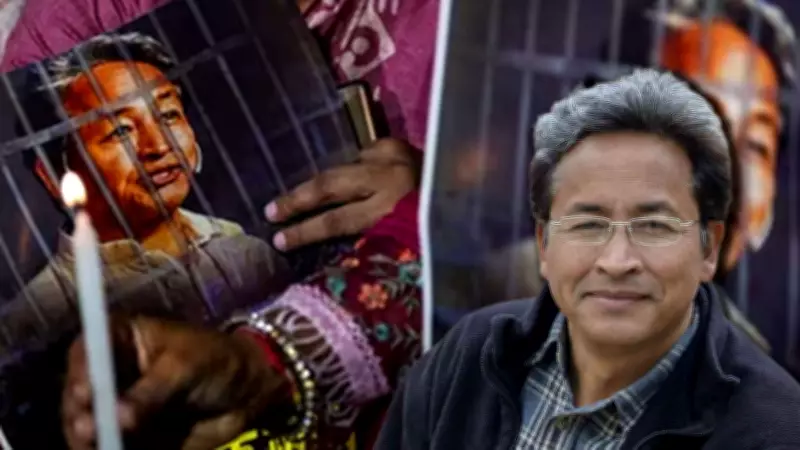
Centre Terminates Sonam Wangchuk's NSA Detention Following Six-Month Incarceration
In a significant development concerning the ongoing Ladakh agitation, the Central Government has officially revoked the detention of prominent activist Sonam Wangchuk under the stringent National Security Act (NSA). This decision comes after Wangchuk spent nearly six months in jail, marking a pivotal moment in the protracted protests that have gripped the Himalayan region.
Home Ministry Announces Revocation After Protests and Legal Scrutiny
The Ministry of Home Affairs formally announced the termination of Wangchuk's detention, following months of sustained demonstrations and rigorous legal challenges. The activist's imprisonment stemmed from his involvement in violent demonstrations in Leh, which were part of a broader movement advocating for Ladakh's statehood and inclusion under the Sixth Schedule of the Indian Constitution.
The Ladakh agitation has brought to the forefront critical issues including ecological conservation, employment opportunities, and the protection of local rights in the ecologically sensitive region. Protesters have consistently argued that these safeguards are essential for preserving Ladakh's unique cultural and environmental heritage amidst increasing developmental pressures.

Supreme Court Intervention and Government's Stance
Wangchuk's detention faced substantial legal opposition, with the case being brought before the Supreme Court of India. The apex court raised serious questions regarding the evidence presented to justify his arrest under the NSA, a law that permits preventive detention without trial for up to twelve months.
With the detention now officially revoked, government representatives have emphasized a renewed focus on restoring normalcy in Ladakh. The administration aims to rebuild trust with local communities and initiate constructive dialogue with all stakeholders involved in the region's future. This move is seen as an attempt to de-escalate tensions and address the underlying grievances that fueled the protests.
The revocation of Wangchuk's NSA detention is expected to have far-reaching implications for the Ladakh movement, potentially opening avenues for more peaceful negotiations and policy discussions concerning the region's administrative and constitutional status.






