

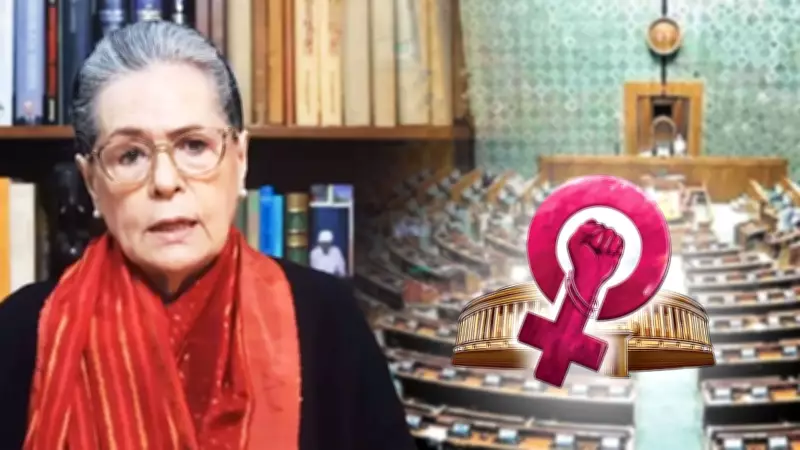
Sonia Gandhi Slams Modi Government Over Delimitation and Women's Quota Bill Timing
A major constitutional debate is intensifying in India as Sonia Gandhi, a prominent opposition leader, has launched a sharp critique against the Modi government's approach to delimitation and the Women's Quota Bill. The controversy centers on the timing and process of these reforms, which are set to be advanced in a special Parliament session.
Criticism Over Delimitation Process
Sonia Gandhi has expressed strong concerns about the government's delimitation push, warning that it could significantly alter the balance of political representation across states. She argues that this move is being rushed without adequate consultation or updated census data, potentially using older figures that might not reflect current demographic realities.
The core issue involves redrawing constituency boundaries, which could impact state-wise political strength for decades to come. Gandhi has accused the government of proceeding without proper dialogue, raising fears that this could undermine democratic principles.

Women's Quota Bill Under Scrutiny
In addition to delimitation, the timing of the Women's Quota Bill has also come under fire. The opposition, led by figures like Sonia Gandhi, contends that the government's method raises serious concerns about transparency and inclusivity. They argue that such critical changes should involve wider stakeholder consultation to ensure fairness and effectiveness.
The Centre, however, maintains that these reforms are part of necessary democratic updates, aimed at enhancing representation and governance. The Lok Sabha's strength could expand significantly as a result, marking a structural shift in India's legislative framework.
Implications for Indian Democracy
This clash between the government and opposition is more than just a legislative dispute; it has the potential to redefine how India votes and who holds power in the future. The outcome could set precedents for future constitutional amendments and political strategies.
- Political Representation: Changes in delimitation could affect the distribution of seats among states, influencing national politics.
- Women's Empowerment: The Women's Quota Bill aims to increase female participation in politics, but its implementation timing is contentious.
- Democratic Processes: The debate highlights the importance of consultation and data accuracy in constitutional reforms.
As the special Parliament session approaches, all eyes are on how this constitutional row will unfold, with significant implications for India's democratic landscape.






