Samajwadi Party MP Urges Government to Revive National Integration Council
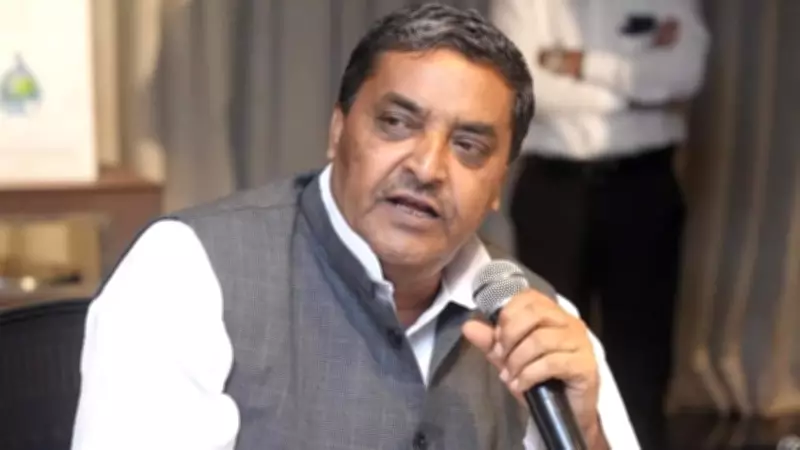
Samajwadi Party MP Javed Ali Khan has made a significant demand in the Rajya Sabha for the revival of the National Integration Council, a body that has remained inactive since 2013. During the Zero Hour session, Khan emphasized the critical need for this council to address the deteriorating social fabric of the nation.
Historical Significance and Current Relevance
The National Integration Council was originally convened in 1961 with the noble objectives of promoting common citizenship, secularism, religious freedom, brotherhood, and social justice. According to Khan, these foundational principles are under severe threat in contemporary India. He pointed out that the council has not held a single meeting since the current government assumed power, leaving a void in national dialogue and coordination.
"Whenever there were differences or a need to keep the social fabric intact, the National Integration Council would help build coordination and dialogue," Khan stated, highlighting its past role in fostering understanding among diverse communities.
Rising Communal Tensions and Government Inaction
Khan expressed deep concern over the current state of social harmony in India, citing specific instances that reflect growing communal divisions. He mentioned controversial statements by political figures, including Assam Chief Minister Himanta Biswa Sarma and BJP's Leader of Opposition in the West Bengal Assembly, which he believes exacerbate tensions.
"Casteist and communal organisations have a free run, and some in the government are also at the forefront," Khan alleged, pointing to videos of ruling party members openly rejecting votes from Muslim communities. He also referenced the recent uproar over UGC guidelines on equity as another example of discord.
The Council's Potential Role in Modern India
While acknowledging that the National Integration Council is not a constitutional body with binding authority, Khan stressed its importance in a democracy. "An important characteristic of a democracy is dialogue, and this council at least fulfills that," he remarked. He recalled its crucial role during the peak of the Babri Masjid-Ram Janmabhoomi dispute in the 1990s, where it facilitated consultations and mutual understanding.
Khan believes that reviving the council could provide a much-needed roadmap for restoring social harmony. "The government needs to sit together with all and find a way out so that our social harmony is maintained," he urged, though he admitted that the council alone might not achieve all objectives.
Political Response and Government Silence
The demand has found resonance among several Opposition MPs, who have appreciated Khan's initiative. However, there has been no response or reaction from the government. Khan noted a shift in parliamentary practices, contrasting the current silence with past assurances from ministers during Zero Hour discussions.
"When I first became an MP in 2014, a minister would at least give an assurance after hearing our demands in Zero Hour that they would look into it," he recalled, expressing disappointment over the lack of engagement from the ruling administration.
As India grapples with increasing polarization, Khan's call for reviving the National Integration Council underscores a pressing need for institutional mechanisms to bridge divides and reinforce the nation's commitment to unity and justice.