Samajwadi Party Endorses UGC Equity Regulations, Calls for Fair Implementation
In a significant political development from Lucknow, the Samajwadi Party has publicly expressed its support for the newly introduced University Grants Commission (UGC) regulations aimed at promoting equity in higher education institutions across India. The party's leadership made this stance clear on Wednesday, while also addressing the ongoing protests by upper caste students who have raised concerns about potential injustices under these new guidelines.
Party Leadership Emphasizes Justice for All Students
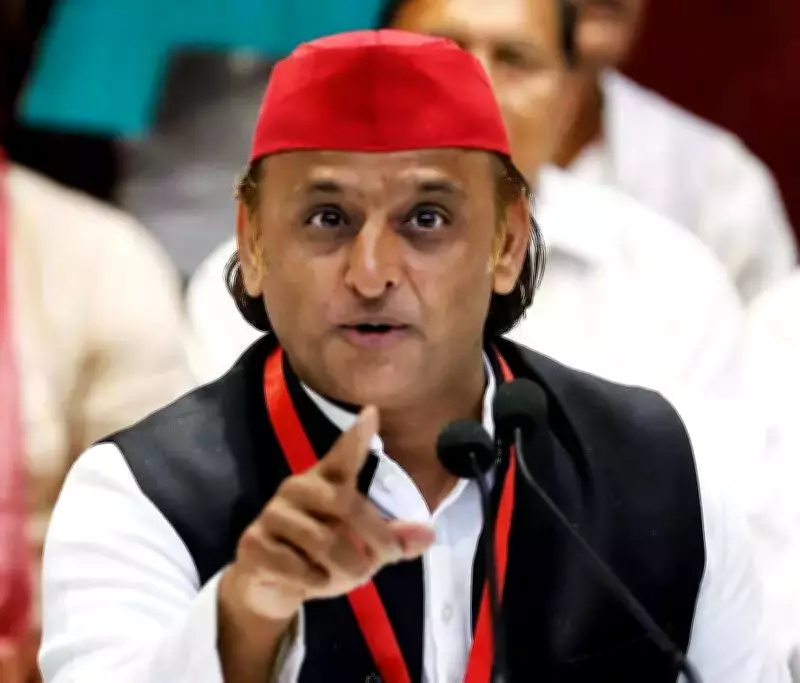
Samajwadi Party president Akhilesh Yadav responded to media queries regarding the protests by upper caste students, who are questioning the absence of a proper redressal system for those who might be falsely implicated in cases of bias against Scheduled Castes (SCs), Scheduled Tribes (STs), and Other Backward Classes (OBCs) on campuses. "No culprit must be spared, and no injustice should be meted out to anyone," Yadav stated firmly, highlighting the party's commitment to ensuring that the regulations do not lead to wrongful accusations or harassment of innocent students.
Ram Gopal Yadav Defends UGC Regulations and Addresses Concerns
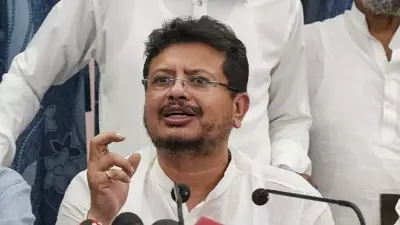
Party's principal general secretary and Rajya Sabha MP Ram Gopal Yadav strongly defended the UGC regulations, particularly the establishment of equity committees in higher education institutions. He countered the fears expressed by upper caste students by pointing out that the Economically Weaker Section (EWS) category under the new regulations is predominantly occupied by upper castes themselves. "UGC has not done anything wrong. What the UGC has done is that it has given the people the opportunity to complain about the injustice that was meted out to them," he asserted, backing the regulatory framework as a necessary step toward addressing historical inequities.

Ram Gopal Yadav further elaborated on the inclusion of OBCs alongside SCs and STs in the regulations, criticizing those who question this move. He emphasized that such critics are unaware of the statistical realities and socio-economic status of OBCs in India. "From among the hundreds of Central Universities, there are hardly one or two OBC vice-chancellors. Scheduled Castes and Scheduled Tribes have no representation, and minorities have one or two … all of them are in the same category. They are poor, backward people and have been rightfully included in the list," he explained, underscoring the need for inclusive policies.
Addressing Claims of Harassment and Power Imbalances
On the claims that the new UGC regulations could become a tool for harassing students from the general category, Ram Gopal Yadav offered a pointed rebuttal. He noted that the general category currently occupies approximately 90% of all positions of power in the country, suggesting that concerns about marginalization might be overstated. Regarding the protests by upper caste students, he posed a rhetorical question: "What would happen if those in support of the UGC start staging demonstrations against these protests?" This statement highlights the potential for counter-mobilization and the complex dynamics surrounding the implementation of equity measures in educational settings.
Ram Gopal Yadav also criticized certain influential individuals who, despite holding positions of power, have perpetuated injustices against a significant portion of the population. "Unfortunately, there are some people in this country, who also make it to the corridors of power as well, who have been doing injustice to a major chunk of this country's population and want to continue it," he remarked, framing the UGC regulations as a corrective measure against systemic biases.
The Samajwadi Party's endorsement of the UGC regulations reflects a broader political alignment with efforts to enhance equity in higher education, while its nuanced responses aim to balance support for marginalized groups with assurances against potential misuse. As debates over these regulations continue, the party's stance is likely to influence both policy discussions and public opinion in Uttar Pradesh and beyond.