

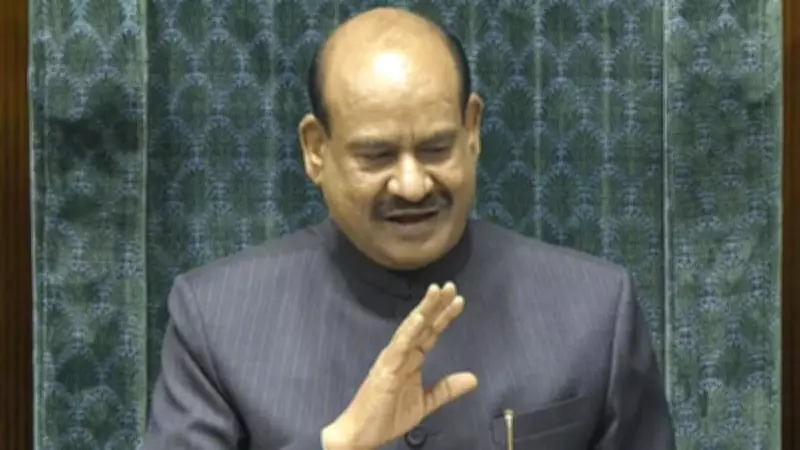
Speaker Om Birla Temporarily Steps Down from Lok Sabha Chair Amid No-Confidence Motion
In a significant development in India's parliamentary proceedings, Lok Sabha Speaker Om Birla has announced that he will not preside over the House's sessions until the ongoing no-confidence motion is fully settled. This decision comes as the motion, which targets the government, is set to be discussed in the Lok Sabha, raising procedural and constitutional considerations.
Constitutional Right to Self-Defense in the House
Speaker Birla's move is rooted in his constitutional right to defend himself within the parliamentary framework. According to sources, if the no-confidence resolution is debated on the floor of the Lok Sabha, Birla, as the presiding officer, would have the opportunity to address the House and present his perspective. By stepping aside temporarily, he aims to ensure impartiality and avoid any potential conflicts of interest during the discussions.
This action underscores the delicate balance between the Speaker's role as a neutral arbiter and his personal stake in parliamentary matters. In Indian parliamentary tradition, the Speaker is expected to maintain decorum and fairness, but this situation highlights how procedural norms can adapt to specific circumstances, such as motions that directly involve the presiding officer.

Implications for Lok Sabha Proceedings
The temporary absence of Speaker Birla from the chair is likely to impact the daily functioning of the Lok Sabha. Typically, the Speaker oversees debates, maintains order, and ensures that parliamentary rules are followed. In his stead, a Deputy Speaker or another senior member may assume the role to facilitate the proceedings related to the no-confidence motion.
This development adds a layer of complexity to the political landscape, as the no-confidence motion itself is a critical tool for opposition parties to challenge the government's majority and policies. The timing and handling of such motions are often closely watched for their potential to influence public opinion and parliamentary dynamics.
As of the latest updates, the matter remains unresolved, with further discussions anticipated in the coming sessions. Observers note that this move by Speaker Birla could set a precedent for how similar situations are managed in the future, emphasizing the importance of constitutional safeguards in India's democratic processes.






