Metroman E Sreedharan Condemns Kerala's RRTS as 'Foolish Venture' and 'Election Stunt'
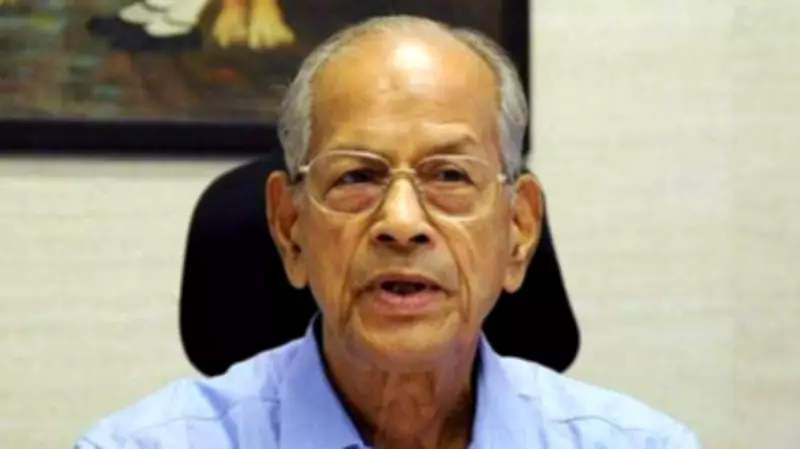
In a scathing critique, renowned 'Metroman' E Sreedharan has labeled the Kerala government's proposed Regional Rapid Transit System (RRTS) as a 'foolish venture' and an 'election stunt'. This sharp criticism comes just two days after the state cabinet, chaired by Chief Minister Pinarayi Vijayan, granted in-principle approval to the ambitious transport project.
Timing of Sreedharan's Remarks Raises Eyebrows
Sreedharan's pointed comments have ignited a political firestorm, given their proximity to the cabinet's decision. The veteran engineer, celebrated for his pivotal role in developing the Delhi Metro, expressed his skepticism about the feasibility and timing of the RRTS initiative. His remarks suggest a deep-seated concern over the project's planning and execution, potentially casting doubt on its viability in the current economic and infrastructural context of Kerala.
Background of the RRTS Approval
The Kerala cabinet's meeting, led by Chief Minister Pinarayi Vijayan, marked a significant step forward for the RRTS, which aims to enhance regional connectivity through rapid transit corridors. The in-principle approval signals the government's commitment to advancing this large-scale infrastructure endeavor. However, Sreedharan's intervention highlights a growing debate over the project's merits, with critics questioning whether it aligns with practical transportation needs or serves broader political objectives.

Implications for Kerala's Infrastructure Development
This controversy underscores the challenges in balancing ambitious infrastructure projects with expert oversight and public accountability. Sreedharan's stature as a respected figure in Indian engineering lends weight to his criticisms, potentially influencing public perception and policy discussions. As Kerala moves forward with the RRTS, stakeholders will likely scrutinize its details more closely, ensuring that such ventures are not only visionary but also grounded in sound technical and economic principles.
In summary, the clash between Sreedharan's harsh assessment and the government's approval sets the stage for a heated discourse on infrastructure priorities in Kerala, with implications for future development and electoral dynamics.