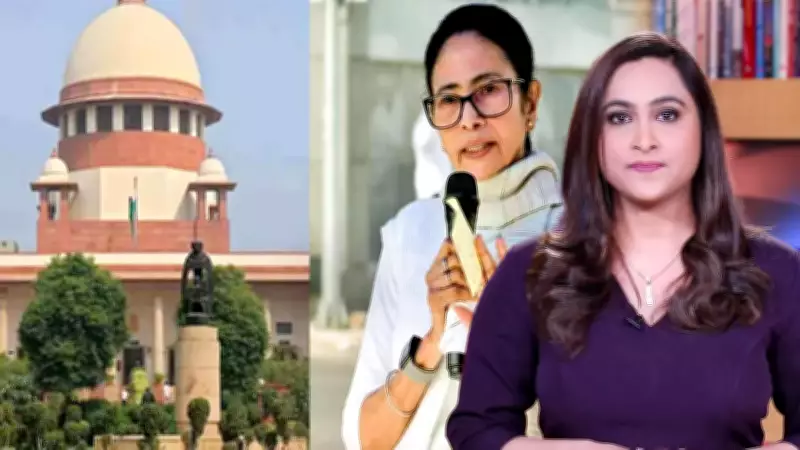
Supreme Court Intervenes in Bengal Electoral Roll Revision, Mandates Judicial Oversight
In a significant development during West Bengal's election preparations, the Supreme Court of India has stepped in to address the contentious Special Intensive Revision (SIR) of electoral rolls. The apex court has directed the Calcutta High Court to appoint both serving and retired judicial officers to supervise the entire process, citing a profound trust deficit between the state government and the Election Commission of India.
Background of the Controversy
The SIR initiative, aimed at updating voter lists by adding eligible voters and removing duplicates or deceased individuals, has been mired in controversy. West Bengal Chief Minister Mamata Banerjee has publicly alleged harassment and targeted actions against specific groups during the revision process. These allegations have heightened tensions, prompting judicial intervention to ensure the integrity of the electoral framework.
Court's Rationale for Judicial Supervision
The Supreme Court emphasized that the deep-seated trust deficit necessitated impartial oversight to uphold democratic principles. By mandating judicial supervision, the court seeks to guarantee transparency, fairness, and unbiased handling of all claims and objections related to the voter lists. This move is designed to restore public confidence in the electoral process ahead of crucial state elections.

Key Details and Timeline
The judicial officers appointed by the Calcutta High Court will oversee every aspect of the SIR, from data verification to final publication. According to the court's order, the draft voter list is scheduled for publication by February 28, 2026. This timeline underscores the urgency of completing the revision accurately and without political interference.
Implications for West Bengal PoliticsThis ruling marks a pivotal moment in West Bengal's political landscape, as it directly addresses the ongoing friction between the Trinamool Congress-led government and central election authorities. The judicial oversight is expected to mitigate allegations of partisan manipulation and ensure that the electoral rolls reflect a true and fair representation of the electorate.
Ensuring Electoral IntegrityThe Supreme Court's intervention highlights the critical role of judiciary in safeguarding electoral integrity. By involving judicial officers, the process aims to be devoid of any bias, thereby fostering a level playing field for all political stakeholders. This decision could set a precedent for handling similar disputes in other states, reinforcing the importance of independent oversight in democratic exercises.