Tamil Nadu Farmers Await Crop Relief Funds Over a Month After Government Announcement
In Trichy and surrounding delta districts of Tamil Nadu, farmers are facing mounting frustration as compensation for crop losses remains undelivered more than a month after the state government approved a relief package. The delay is exacerbating financial hardships for thousands of agricultural families who suffered damage from Cyclone Ditwah and heavy monsoon rains in late 2025.
Background of the Crop Damage and Relief Announcement
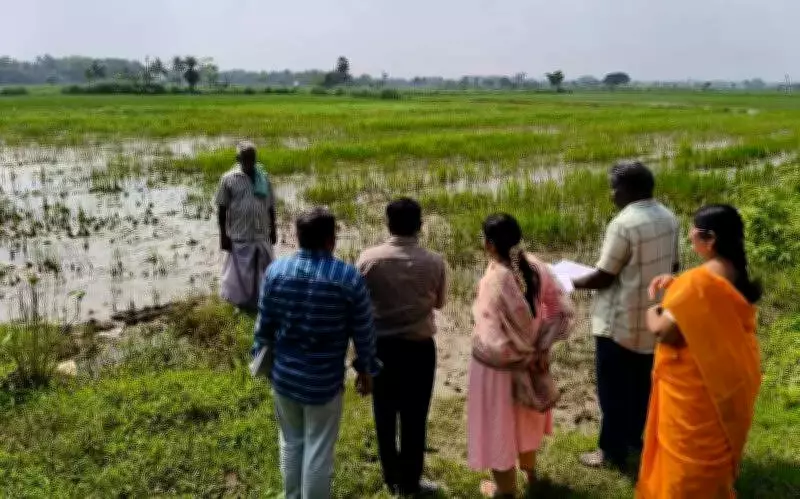
During November 2025, intense rainfall linked to Cyclone Ditwah and the northeast monsoon severely impacted paddy crops across key agricultural regions. The flooding affected month-old samba paddy and two-week-old thaladi paddy varieties in districts including Trichy, Thanjavur, Tiruvarur, Nagapattinam, Mayiladuthurai, and Cuddalore. These areas had cultivated paddy over approximately 4.5 lakh hectares during that season, making the losses widespread and significant.
In response to the crisis, the Tamil Nadu government announced a relief package on January 14, 2026. The package allocated 111.96 crore rupees to benefit 84,848 farmers whose agricultural and horticultural crops sustained damage exceeding the 33% threshold limit across around 56,226 hectares. The assistance was set at 20,000 rupees per hectare, to be disbursed from the state disaster response fund. A government order sanctioning the release of these funds was issued the very next day, on January 15.

Current Status and Farmer Concerns
Despite the swift announcement and order, the relief amount has not yet been credited to the farmers' bank accounts. This prolonged delay has sparked significant concern among the farming community, particularly in the delta districts where many were unable to salvage their crops. Farmers who took loans for cultivation are especially impacted, as the delay hinders their ability to manage debt and plan for future seasons.
P Kamal Ram, a farmer representative from Thalaignayiru in Nagapattinam district, highlighted the multifaceted challenges. "The delay is impacting farmers on multiple fronts, particularly those who have taken loans for cultivation. Farmers who proceeded with recultivation are now facing uncertainty over their yields because of water scarcity. Therefore, it is crucial that the relief amount for the loss of the previous crop is disbursed without further delay," he emphasized.
According to sources, the state government has not yet transferred these funds from the state level to the district treasuries. An official from the agriculture department clarified, "The relief amount will be directly credited to the farmers' bank accounts once the funds are received at the district level." This bureaucratic holdup has left farmers in limbo, urging the state government, the agriculture department, and respective district administrations to expedite the process.
Broader Implications and Calls for Action
The ongoing delay not only affects immediate financial stability but also threatens agricultural productivity in the region. With water scarcity adding to the woes, farmers who attempted recultivation face uncertain yields, compounding the economic strain. The situation underscores the need for efficient disaster response mechanisms to support vulnerable agricultural communities.
Farmers and local representatives continue to advocate for prompt action, stressing that timely compensation is essential for recovery and resilience. As the wait persists, the spotlight remains on government agencies to fulfill their commitments and alleviate the distress in Tamil Nadu's vital farming sectors.