Tejas Fighter Fleet Returns to Service After Grounding, But Questions Persist
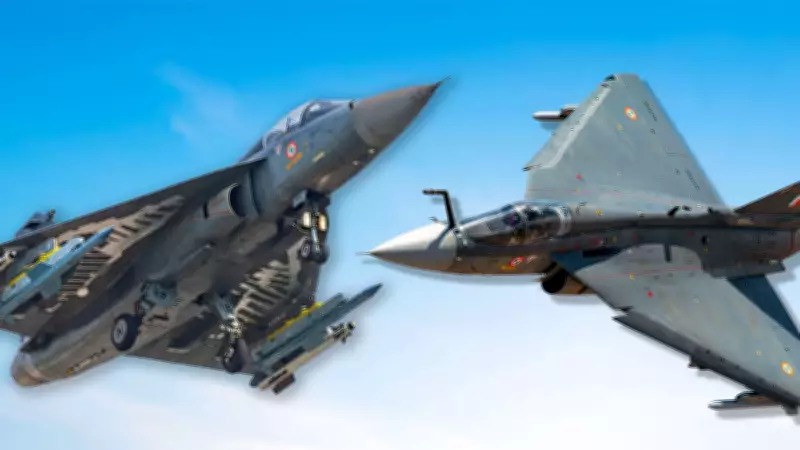
The Indian Light Combat Aircraft (LCA) Tejas program finds itself under intense scrutiny once again, as the fleet prepares to return to operational status following a significant setback. This development comes months after a hard landing incident involving a Tejas fighter led to the grounding of over 30 aircraft, highlighting ongoing reliability concerns within the indigenous defense project.
Aircraft Grounding and Operational Impact
The recent hard landing incident represents just one in a series of challenges that have plagued the Tejas program in recent years. This particular event forced the Indian Air Force to temporarily remove more than thirty aircraft from active service, creating operational gaps at a time when the force already operates below its sanctioned squadron strength. The grounding has intensified discussions about the aircraft's reliability and maintenance requirements.
Historical Context and Program Challenges
The Tejas program's journey has been marked by numerous obstacles since its inception. Significant delays, cost overruns, and structural inefficiencies have characterized its development timeline. These challenges were compounded by external factors, most notably technology denial regimes imposed on India following the country's 1998 nuclear tests, which restricted access to critical aerospace technologies.

Despite these substantial hurdles, the program has achieved several important milestones:
- The aircraft's first successful flight occurred in 2001, marking a crucial early achievement
- Full operational clearance was granted in 2019, allowing for broader deployment
- The program has fostered development of a domestic aerospace ecosystem
- Tejas represents a generational capability upgrade over the aging MiG-21 fleet
Persistent Gaps and Future Considerations
One of the most significant remaining challenges for the Tejas program involves continued reliance on imported engines. The indigenous Kaveri engine program, intended to power the aircraft, fell short of expectations, forcing dependence on foreign powerplants that impact production timelines and strategic autonomy.
The Tejas aircraft today occupies a complex position within India's defense landscape. It represents neither complete failure nor unqualified success, but rather a long-term capability project that continues to evolve. The program embodies both the substantial costs and the strategic necessity of developing indigenous defense technologies, particularly for a nation seeking greater self-reliance in critical military systems.
As the Tejas fleet returns to active service, defense analysts and military planners continue to monitor its performance closely. The aircraft's operational reliability, maintenance requirements, and production consistency will remain under examination as India balances immediate defense needs with long-term technological development goals. The program's future trajectory will likely influence broader decisions about indigenous defense projects and international procurement strategies for years to come.