The Congress government in Telangana is pushing forward with the ambitious Bharat Future City project, spanning 30,000 acres between the Srisailam and Nagarjunasagar highways. This massive urban development is planned and governed by the Future City Development Authority (FCDA) under the state government. However, farmers in the region find themselves at a crossroads, caught between the promise of development and the uncertainty of land acquisition.
Project Overview
The Bharat Future City is envisioned as a modern, sustainable urban hub that will include residential, commercial, and industrial zones. The FCDA has been tasked with overseeing the planning and implementation of the project, which aims to boost economic growth and create employment opportunities. The location, strategically positioned along major highways, is expected to attract investment and spur development in the region.
Farmers' Concerns
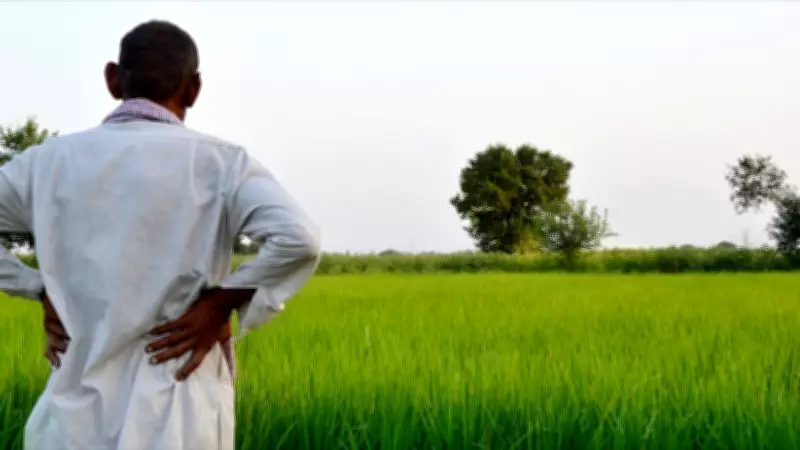
Despite the potential benefits, many farmers are worried about losing their agricultural land. Compensation packages and rehabilitation measures have been points of contention. Farmers have expressed concerns about inadequate compensation and the loss of their primary source of livelihood. Some have formed groups to negotiate better terms with the government.

The state government has assured farmers that their interests will be protected and that fair compensation will be provided. Officials have also highlighted the long-term benefits of the project, including improved infrastructure and job opportunities. However, trust remains a challenge, as past land acquisition projects have sometimes led to disputes.
Government's Stance
The Congress government, led by Chief Minister Revanth Reddy, has emphasized the transformative potential of the Bharat Future City. In recent statements, officials have stressed that the project will be implemented transparently and with the consent of affected landowners. The FCDA has been directed to engage with farmers and address their grievances.
Land acquisition for the project is expected to proceed in phases, with the first phase covering approximately 10,000 acres. The government has also announced plans to provide alternative land or monetary compensation, along with skill development programs for displaced farmers.
Way Forward
As the project moves forward, the key challenge will be balancing development with the rights of farmers. The success of the Bharat Future City may hinge on the government's ability to build trust and ensure that those affected by the project are fairly compensated and rehabilitated. Farmers, meanwhile, are watching closely, hoping that their voices will be heard in the process.