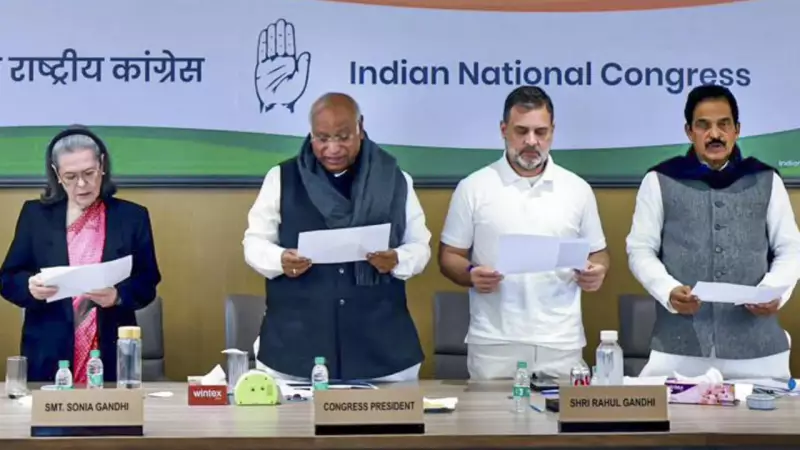
A meeting of the Congress Working Committee (CWC) witnessed a brief but significant debate over a proposed resolution that initially blamed the Indian government for the prevailing situation in neighbouring Bangladesh. The discussion highlighted internal sensitivities on framing foreign policy critiques.
Tharoor's Intervention on Diplomatic Wording
Senior Congress leader and CWC member Shashi Tharoor raised an objection to the phrasing in the draft resolution. He argued that the government or the BJP could not be directly held responsible for the internal unrest in Bangladesh. Tharoor clarified that while the government could be accused of a diplomatic failure in handling the bilateral relationship, attributing the blame for the situation in the neighbouring country was incorrect.
Resolution Modified, Focus Shifts to Domestic Agitation
Following this intervention, sources confirmed that the contentious line was subsequently dropped from the final resolution. The party leadership decided not to pass the resolutions placed before the CWC, ensuring that the primary focus remained on the upcoming agitational programme concerning MGNREGA. This strategic move aimed to keep the party's public campaign centred on domestic livelihood issues.

Other Key Suggestions During the Discussion
During the broader meeting, other proposals were also floated. One notable suggestion was that non-BJP Chief Ministers should be asked to issue statements condemning the recent attacks on Christians in the country. This point underscored the party's attempt to build a coordinated political narrative against the ruling dispensation on matters of social harmony.
The episode reveals the nuanced discussions within the Congress party on balancing strong criticism of the government with fact-based positions, especially on complex international matters. The final outcome ensured the party's immediate political energy was directed towards its planned agitation on the rural employment guarantee scheme.