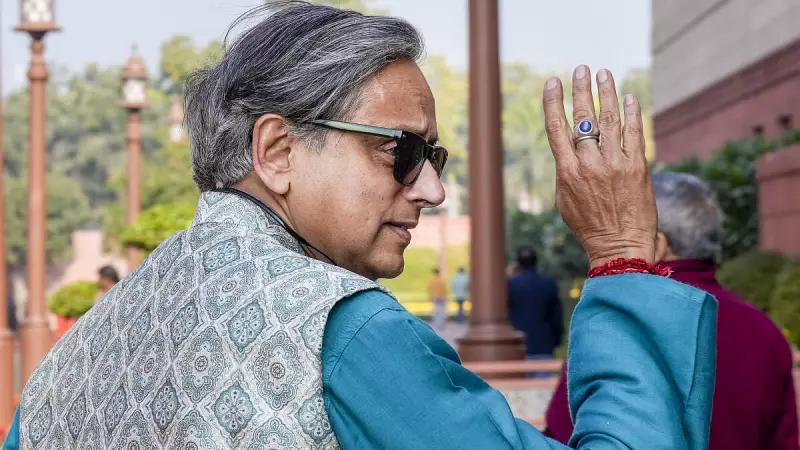
Congress leader and Member of Parliament Shashi Tharoor launched a pointed critique against the government on Tuesday, December 16, 2025, over the proposed VB-G RAM G Bill. The MP from Thiruvananthapuram, Kerala, framed the legislation not as a simple administrative update but as a profound attack on the programme's core principles.
'An Assault on the Spirit': Tharoor's Core Argument
Participating in the Lok Sabha debate, Tharoor articulated a strong philosophical opposition to the bill. He asserted that the proposed changes go far beyond mere technical tweaks. In a statement that captured the essence of his argument, Tharoor said the bill represents an 'assault on the very spirit and philosophical foundation of this crucial programme'. His central plea, invoking a culturally resonant phrase, was to not misuse the revered name associated with the initiative: 'Ram ka naam badnaam na karo' (Do not tarnish the name of Ram).
The Political Context of the Debate
The debate in the lower house of Parliament highlights the ongoing political tensions between the ruling government and the opposition. Tharoor, known for his articulate interventions, used this opportunity to question the intent and potential impact of the legislative changes. By framing his criticism around the defence of the programme's foundational philosophy, he aimed to elevate the discussion from procedural details to a matter of ideological integrity. The remarks, made on December 16, 2025, quickly gained attention for their sharpness and cultural reference.

Implications and the Road Ahead
Tharoor's strong condemnation sets the stage for a contentious parliamentary process for the VB-G RAM G Bill. His arguments are likely to be echoed by other opposition members, turning the bill into a significant flashpoint. The government will now need to counter these claims, defending the legislation's merits and its alignment with the original programme's goals. This development underscores how major policy changes in India are increasingly becoming battles over narrative and ideological ownership, with historical and cultural symbols at the forefront of political discourse.
The outcome of this debate will be closely watched, as it will not only determine the fate of this specific bill but also signal the opposition's strategy in holding the government accountable on legislative matters in the current Lok Sabha.