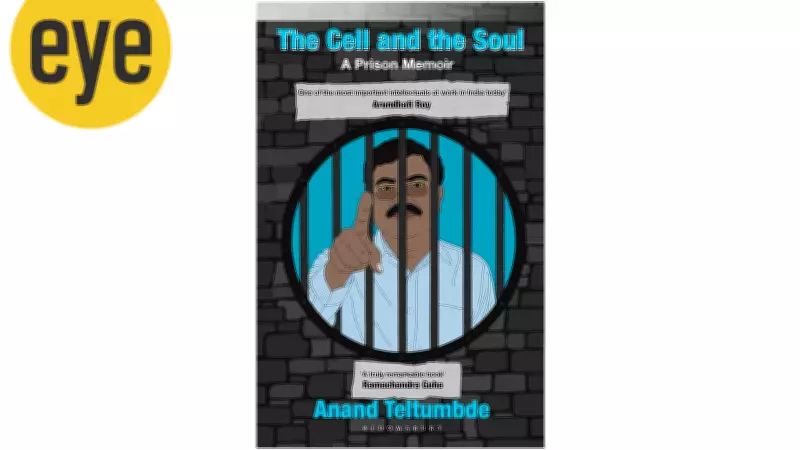
Anand Teltumbde's The Cell and the Soul emerges as a powerful literary work that delves deep into the heart of India's prison system, transforming from a historical tool for character improvement into a modern instrument of state revenge. Written by Shah Alam Khan, this book offers a raw and unfiltered look at the realities of incarceration, particularly in the context of the Bhima-Koregaon violence of 2018, which led to the arrest of numerous intellectuals and activists.
The Historical Context and Modern Parallels
In her groundbreaking treatise, Are Prisons Obsolete? (2003), American activist Angela Davis critiques the classist, racist, and patriarchal foundations of prisons, arguing they have become ingrained in societal consciousness as a necessity of modern life. While Davis focused on the privatized and capitalist American system, Teltumbde's The Cell and the Soul reveals that the Indian prison system shares alarming similarities. Based on his 31-month incarceration in Taloja jail, Maharashtra, Teltumbde paints a vivid picture of deplorable conditions that likely mirror those in prisons across the country.
A Dissection of Caste and Society
The book serves not only as a prison memoir but also as a critical examination of caste and Indian society, blending elements of life, misery, identity, and structural violence. It highlights society's indifference towards the poor, with prisons often acting as convenient dumping grounds. Teltumbde masterfully dissects the social dynamics within prisons, portraying them as living organisms with their own hierarchies and informal economies.

Crime and Consciousness in the Indian Republic
Teltumbde defines crime as "what the police think it is", a poignant reflection in a republic that incarcerates young intellectuals like Umar Khalid for ambiguous and unwritten offenses. The Bhima-Koregaon prisoners are depicted as prisoners of consciousness, with their experiences echoing in works by other activists such as Sudha Bhardwaj's Phansi Yard (2023) and Varavara Rao's A Life in Poetry (2023). Teltumbde's narrative weaves through his interactions with fellow inmates and jail authorities, adding depth to this genre.
Personal Tributes and Social Commentary
In dedicated chapters, Teltumbde honors his co-accused, Stan Swamy and Varavara Rao. He recounts conversations with Swamy, a priest-activist whose death due to COVID mismanagement sparked outrage, exploring themes of identity, vulnerability, and tribal rights. Their discussions on revolution, humorously termed the 'Rule of the Poor', reveal a blend of hope and despair. The book stands as a poignant repository of our times, a labyrinth of injustice, hate, and hope that celebrates life and death equally.
The Dark Realities of Indian Prisons
Teltumbde's description of his brother's life and death carries a deep, whispering pain, audible only to those who listen closely. In a particularly moving chapter, he details the suicide of Bhola, an innocent illiterate prisoner unaware of his charges, underscoring how Indian prisons harbor darkness and night. This aligns with Antonio Gramsci's Prison Notebooks (1946), which posited that capitalist states rule through force and consent, with political society representing force and civil society consent.
A Call for Urgent Reading and Reflection
The Cell and the Soul is a scream against capitalist and authoritative realms, breaking hierarchical monologues to offer insights into the flaws of the Indian justice system and potential rectifications. It is an essential read, especially for the youth in a nation grappling with majoritarianism, casteism, and communalism. This book shines as a luminous antidote to societal ills, penned by Shah Alam Khan, a professor in the Department of Orthopaedics at the All India Institute of Medical Sciences, New Delhi.