

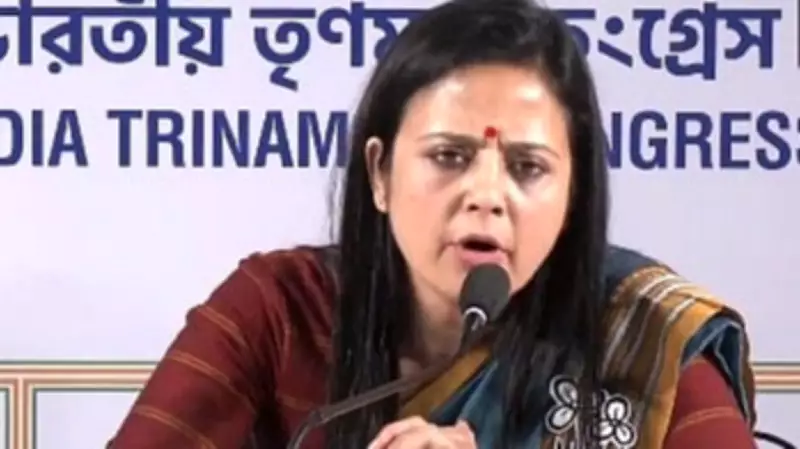
TMC Launches Counter-Chargesheet Against Amit Shah, Demands Answers on Manipur Violence
In a bold political move, the Trinamool Congress (TMC) has countered Union Home Minister Amit Shah's recent chargesheet with a similar document of its own. This development intensifies the ongoing political clash between the ruling Bharatiya Janata Party (BJP) and the opposition, with the TMC directly challenging Shah's governance record and seeking accountability for the Manipur violence.
Background of the Political Confrontation
The confrontation began when Amit Shah released a chargesheet targeting the TMC, accusing it of various failures in West Bengal. In response, the TMC has prepared and released a detailed counter-chargesheet, which not only rebuts Shah's allegations but also turns the spotlight on the central government's handling of the Manipur crisis. This document is part of a broader strategy by the TMC to position itself as a formidable opposition force ahead of upcoming elections.
Key Points in the TMC's Counter-Chargesheet
The TMC's document focuses on several critical issues, with Manipur violence at the forefront. It demands answers from the Union Home Minister regarding the prolonged unrest in Manipur, questioning the effectiveness of central interventions and security measures. The chargesheet highlights alleged governance failures, including delays in response and inadequate support for affected communities.

- Inadequate central assistance during the Manipur violence, leading to prolonged suffering.
- Failure to implement timely security measures to curb the unrest.
- Lack of transparency in handling the crisis, with calls for detailed reports and accountability.
- Contrasting the central government's approach with the TMC's claimed successes in West Bengal.
Political Implications and Reactions
This exchange of chargesheets marks a significant escalation in political tensions, as the TMC seeks to undermine the BJP's credibility on national security and governance. By focusing on Manipur, the TMC aims to capitalize on public concern over the violence, potentially swaying voter sentiment. Political analysts suggest this move could influence upcoming electoral battles, especially in states where regional issues are pivotal.
Reactions from both sides have been swift and sharp.The BJP has dismissed the TMC's counter-chargesheet as a diversionary tactic, defending Shah's record and accusing the TMC of politicizing sensitive issues. Meanwhile, the TMC has reiterated its demand for a thorough investigation into the Manipur violence, urging the central government to take concrete steps towards resolution.
Broader Context of Manipur Violence
The Manipur violence, which has resulted in significant casualties and displacement, remains a contentious issue in Indian politics. The TMC's chargesheet brings renewed attention to this crisis, emphasizing the need for bipartisan efforts to address underlying causes such as ethnic tensions and economic disparities. This move aligns with the TMC's broader agenda of holding the central government accountable on national issues.
In conclusion, the TMC's release of a counter-chargesheet against Amit Shah represents a strategic political maneuver, shifting focus to the Manipur violence and challenging the BJP's governance narrative. As both parties prepare for future electoral contests, this development underscores the intensifying rivalry and the critical role of issue-based politics in shaping public discourse.






