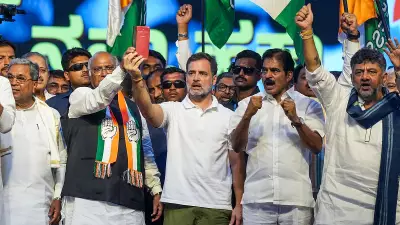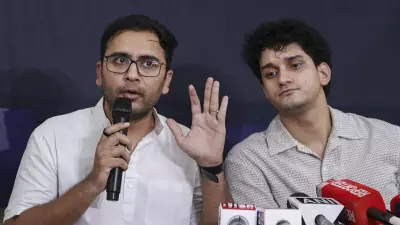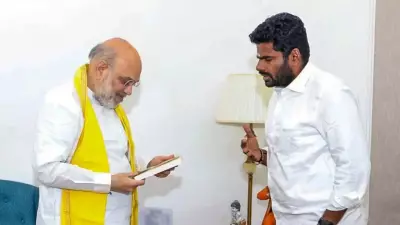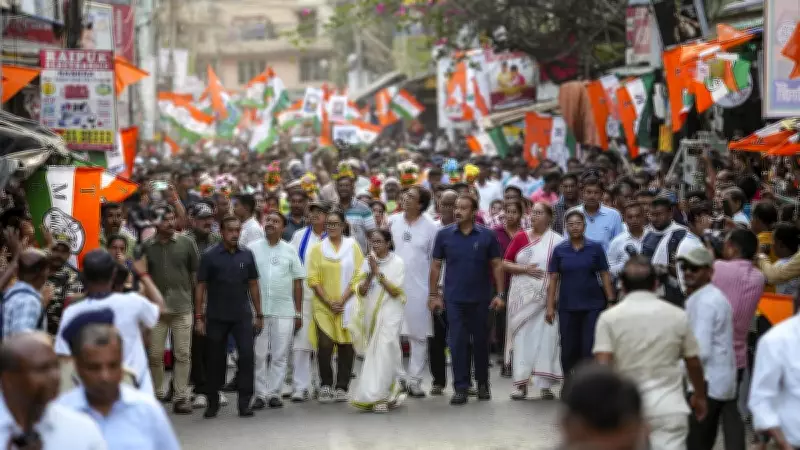
The Trinamool Congress (TMC) is set to navigate a long and arduous road ahead as it assumes the role of the principal opposition party in the West Bengal Legislative Assembly. The Speaker officially recognized the TMC as the recognized opposition in the House, with Ritabrata—who was expelled from the TMC for anti-party activities—appointed as the Leader of the Opposition. This development marks a significant shift in the state's political landscape, reflecting the challenges that lie ahead for Mamata Banerjee's party.
Political Realignment in West Bengal
The recognition of the TMC as the opposition comes after a period of intense political maneuvering. The party, which had been in power for over a decade, now finds itself on the other side of the aisle. The appointment of Ritabrata, a former TMC member who was expelled for anti-party activities, as the Leader of the Opposition adds a layer of complexity to the party's internal dynamics. This move is seen as a strategic decision to consolidate opposition voices against the ruling party.
Challenges Ahead for TMC
The TMC faces several hurdles as it adapts to its new role. First, it must rebuild its organizational structure after the electoral setback. Second, the party needs to address internal dissent, particularly with Ritabrata's appointment, which may not sit well with all members. Third, the TMC must effectively counter the ruling party's policies while presenting a viable alternative to the electorate. The party's performance in the opposition will be crucial in shaping its future electoral prospects.

Mamata Banerjee, the TMC supremo, has urged party workers to remain united and focused on the welfare of the people. She emphasized the need for constructive opposition and vowed to hold the government accountable. However, the road ahead is fraught with challenges, including a hostile political environment and a ruling party with a strong majority.
Implications for State Politics
The TMC's transition to the opposition bench is a testament to the dynamic nature of West Bengal's politics. It underscores the electorate's desire for change and the importance of robust democratic processes. As the TMC charts its course, it will be closely watched by political analysts and voters alike. The party's ability to reinvent itself and mount an effective opposition will determine its relevance in the years to come.
In conclusion, the TMC's recognition as the recognized opposition with Ritabrata as its leader marks the beginning of a challenging journey. The party must navigate internal and external pressures to emerge as a credible alternative. The coming months will be critical in shaping the political future of West Bengal.