

Trinamool Congress Stages Rajya Sabha Walkout Over Election Commission's Midnight Bureaucrat Reshuffle
In a dramatic parliamentary protest, the Trinamool Congress (TMC) staged a walkout from the Rajya Sabha on Monday, vehemently opposing the Election Commission of India's (ECI) controversial decision to remove and reshuffle West Bengal's top administrative officials. The move, executed late at night, has sparked a fierce political confrontation just ahead of crucial electoral processes in the state.
Derek O'Brien Leads Condemnation During Zero Hour
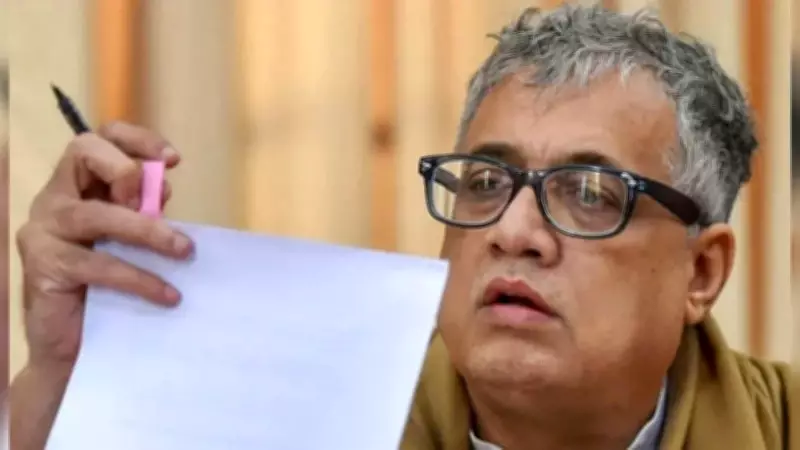
Raising the issue moments before the commencement of Zero Hour in the Upper House, senior TMC member and party leader Derek O'Brien launched a scathing critique of the poll panel's actions. He condemned what he described as an "unprecedented and arbitrary midnight reshuffle" that targeted key bureaucrats in West Bengal's administrative hierarchy.
"This is a blatant attempt to undermine the state's governance and disrupt the level playing field essential for free and fair elections," O'Brien asserted during his impassioned address. He emphasized that the timing and manner of the decision raised serious questions about the Election Commission's impartiality and operational transparency.

Details of the Election Commission's Controversial Move
The Election Commission's directive, issued in the late hours of Sunday night, mandated the immediate removal and transfer of several senior IAS officers holding pivotal positions in West Bengal. This administrative overhaul includes:
- The transfer of the state's Home Secretary, a key figure in law and order management.
- The removal of the state's Director General of Police (DGP), impacting security oversight.
- Reassignments of other top bureaucrats involved in election-related duties and public administration.
Officially, the ECI cited the need for ensuring neutrality and preventing potential bias during the election period as the rationale behind these changes. However, the TMC and other opposition parties have sharply contested this justification, labeling it as politically motivated interference.
Political Repercussions and Broader Implications
The walkout and subsequent protests highlight escalating tensions between the ruling party at the center and regional political forces in West Bengal. This incident is not isolated but part of a broader pattern of conflicts over election administration and federal autonomy in India.
Political analysts suggest that such confrontations could have significant implications for:
- Electoral Integrity: Concerns about whether administrative changes might influence voter perception and election outcomes.
- Federal Relations: Strains in center-state dynamics, particularly regarding the autonomy of state governments in managing their bureaucracies.
- Institutional Credibility: Questions about the independence and operational protocols of constitutional bodies like the Election Commission.
As the situation unfolds, all eyes are on how this dispute will affect the upcoming electoral processes in West Bengal and whether it will lead to further parliamentary disruptions or legal challenges. The TMC has vowed to continue its protest, both inside and outside Parliament, until what it calls "a fair resolution" is achieved.






