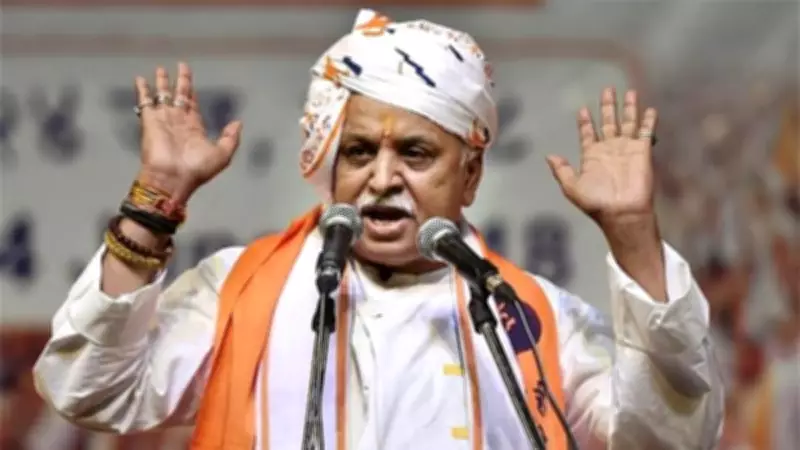
Togadia Proposes DNA Testing to Identify Illegal Bangladeshi Immigrants in Assam
The president of the Antarrashtriya Hindu Parishad (AHP), Togadia, has made a significant statement regarding the ongoing issue of illegal immigration in Assam. He has advocated for the implementation of DNA tests as a method to accurately identify and detect illegal Bangladeshi immigrants residing in the state.
Government Will as the Key Factor
Togadia emphasized that the success of such measures hinges on the political will of the government. He maintained that if the government possesses the determination to address this matter, the illegal immigrants can be effectively identified and dealt with. This assertion holds true irrespective of which political party is currently heading the government, suggesting a non-partisan approach to the issue.
The call for DNA testing comes amid longstanding concerns in Assam about the demographic changes and security implications associated with illegal immigration from Bangladesh. Togadia's proposal aims to provide a scientific and verifiable means to distinguish between legal residents and undocumented migrants, potentially streamlining enforcement actions.

Context and Implications
Assam has been at the center of debates over illegal immigration for decades, with various policies and initiatives attempted to resolve the complex situation. Togadia's suggestion adds a new dimension to these discussions by introducing advanced genetic testing as a tool for identification. This approach could offer a more precise alternative to existing methods, which often rely on documentation and historical records that may be contested or incomplete.
However, the proposal is likely to spark debates over privacy, ethical considerations, and the practical challenges of implementing large-scale DNA testing. Critics may question the feasibility and cost of such an initiative, as well as its alignment with legal and human rights standards. Supporters, on the other hand, might argue that it represents a necessary step to ensure national security and preserve the cultural and social fabric of Assam.
As the discussion unfolds, Togadia's remarks highlight the ongoing urgency felt by some groups to address illegal immigration through innovative and decisive measures. The response from government authorities and the public will be crucial in determining whether DNA testing becomes part of Assam's immigration policy framework.