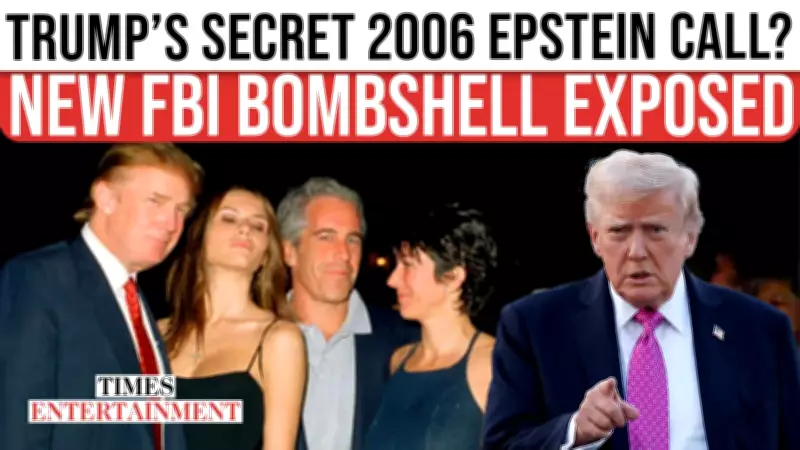
Trump Labeled Maxwell 'Evil' in Secret FBI Memo on Epstein Investigation
A recently disclosed FBI document has ignited a firestorm of controversy, alleging that former President Donald Trump personally commended Palm Beach police in 2006 for their investigation into Jeffrey Epstein and directed authorities to concentrate on Ghislaine Maxwell, whom he described as 'evil.' This explosive memo, which dates back nearly two decades, provides unprecedented insight into Trump's early cognizance of Epstein's criminal activities and his interactions with the disgraced financier.
Details of the FBI Document and Its Implications
The memo, released as part of ongoing probes into the Epstein case, claims that Trump expressed gratitude to law enforcement officials for their diligent work in scrutinizing Epstein's operations. More significantly, it records Trump's explicit instruction to focus investigative efforts on Maxwell, Epstein's longtime associate, using the stark term 'evil' to characterize her. This revelation challenges previous narratives about Trump's involvement and knowledge, suggesting he was actively engaged in urging action against key figures in the scandal long before it gained widespread public attention.
The document's emergence has reignited global debates surrounding the Epstein-Maxwell case, particularly its political ramifications. Analysts are now re-examining Trump's relationship with Epstein, which has been a subject of speculation for years. The memo implies that Trump may have possessed deeper insights into the crimes than previously acknowledged, potentially influencing public perception and legal proceedings.

Broader Context and Reactions
This development comes amid heightened scrutiny of high-profile connections to Epstein, whose network of abuse involved numerous influential individuals. The FBI memo adds a new layer to the complex tapestry of the case, highlighting how early warnings and actions by figures like Trump were documented but may not have led to immediate consequences. Legal experts note that such records could impact ongoing investigations and trials related to Epstein's associates, including Maxwell's previous conviction.
Public and political reactions have been swift, with supporters and critics of Trump interpreting the memo differently. Some view it as evidence of Trump's proactive stance against criminality, while others question the timing and motives behind the release. Regardless, the memo underscores the enduring significance of the Epstein saga in contemporary discourse, blending elements of crime, politics, and justice.
As the story continues to unfold, this FBI document serves as a critical piece of evidence, prompting further inquiries into what was known about Epstein's activities and by whom. It reinforces the need for transparency in historical investigations and their potential to reshape our understanding of past events.