

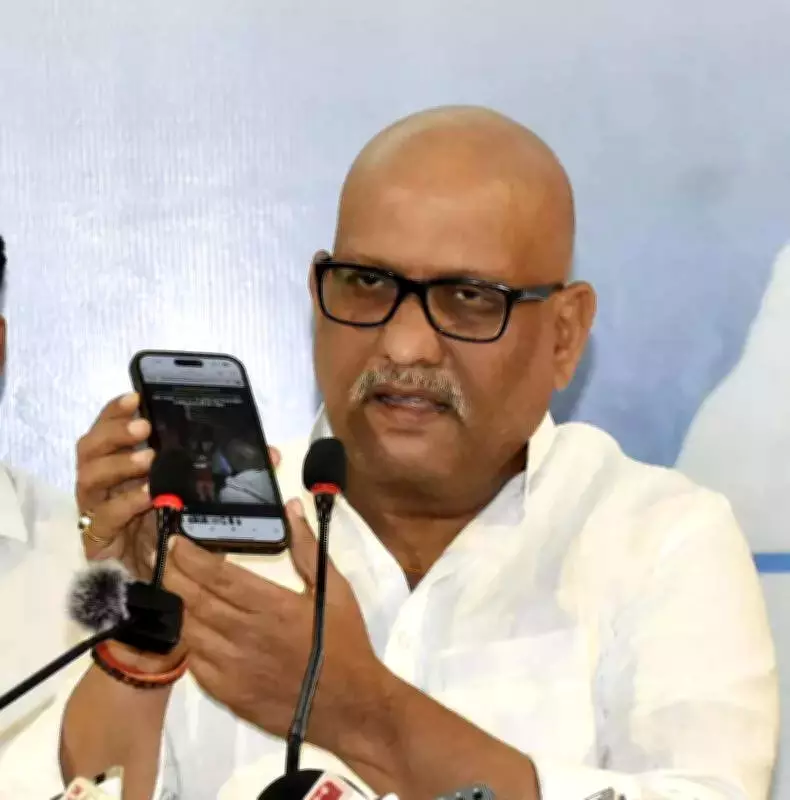
Uttar Pradesh Congress president Ajay Rai has launched a scathing attack on the Union Budget 2026-27, labeling it as directionless and claiming that the central government has shattered the hopes of ordinary citizens. In a strongly worded statement, Rai asserted that the administration has let down the public on fundamental issues such as education, healthcare, and employment generation.
Budget 2026: A 'Capitalist' Document?
Rai elaborated that instead of offering much-needed relief to the middle class and the poor, this budget functions as a capitalist budget that primarily benefits a select group of crony capitalists. He emphasized that the financial plan exposes the true nature of the BJP-led government, which he described as being completely disconnected from the everyday struggles faced by people across the nation.
Youth and Student Concerns Overlooked
Echoing similar sentiments, Pranav Pandey, the national secretary of the National Students' Union of India (NSUI), criticized the budget for neglecting the urgent requirements of youth, students, and common citizens. Pandey pointed out that the document fails to establish clear policies for employment, affordable education, start-up support, or skill development initiatives.

He specifically highlighted the situation in states like Uttar Pradesh, which boasts a substantial youth demographic. According to Pandey, the budget does not incorporate targeted measures to address the pressing needs related to skill enhancement, educational access, and job creation in such regions.
Broader Political Reactions
The criticism from UP Congress and NSUI leaders adds to a growing chorus of political dissent against Budget 2026. Earlier, West Bengal Chief Minister Mamata Banerjee had also slammed the Centre's financial proposals, referring to them as a Humpty Dumpty budget that offers nothing for the common man or her state.
As debates intensify, the public remains focused on the practical implications of the budget, including changes in income tax slabs and adjustments in prices for various goods and services. However, opposition voices continue to argue that the overall direction fails to prioritize the welfare of the majority, particularly in critical sectors that impact daily life.






