Uttar Pradesh Chief Minister Takes Stern Action After Fatal Chinese Manjha Incident
In a significant move to curb the menace of deadly kite strings, Uttar Pradesh Chief Minister Yogi Adityanath has issued stringent directives following a tragic accident in Lucknow. The Chief Minister has ordered that all deaths caused by Chinese manjha should now be treated as murder cases, marking a major shift in how such incidents are legally addressed.
Tragic Accident Prompts Immediate Government Response
The immediate trigger for this decisive action was the heartbreaking death of 36-year-old Mohammad Shoeb, a medical representative from Lucknow's Dubagga locality. On Wednesday, Shoeb was traveling on his motorcycle from Chowk market toward the Eveready crossing when disaster struck on the Haiderganj flyover.
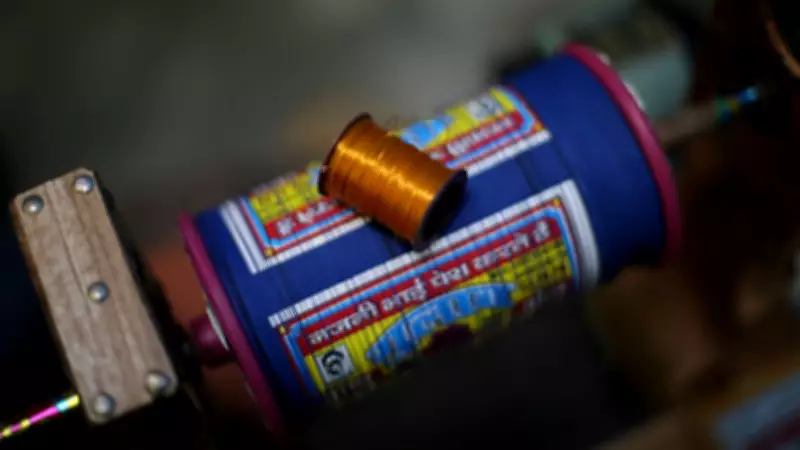
The nylon Chinese manjha string became entangled around his throat while he was riding, creating a deep, fatal cut before he could even bring his vehicle to a stop. Despite immediate efforts by passersby who rushed him to King George's Medical University's trauma center just three kilometers away, doctors declared him dead due to excessive blood loss.

Chief Minister's Comprehensive Directives
During a meeting at his residence on Thursday, Chief Minister Yogi Adityanath took serious cognizance of the incident and issued multiple important orders:
- All Chinese manjha-related deaths must be registered as murder cases
- Officials responsible for failing to check the sale of banned kite strings will face strict action
- An extensive statewide operation to ensure complete prohibition of Chinese manjha sales
- Serious legal proceedings against those involved in selling the dangerous string
A senior officer present at the meeting confirmed that the Chief Minister emphasized the need for immediate and comprehensive action across Uttar Pradesh. The directives come at a crucial time when kite flying activities typically increase during certain seasons.
Broader Legal Context and Family Tragedy
This incident occurs against the backdrop of recent judicial intervention. Just last month, a Division Bench of the Allahabad High Court had directed the Uttar Pradesh government to enforce prohibition on manufacturing, sale, and use of Chinese manjha while hearing a Public Interest Litigation.
The PIL had specifically sought a complete ban on making, selling, and using Chinese manjha due to its proven danger to human life. The court's direction highlighted the growing concern about these sharp, non-biodegradable strings that have caused multiple fatalities across the country.
The human cost of this tragedy is particularly devastating. Mohammad Shoeb, the victim, was the sole breadwinner for his family, leaving behind his mother, wife, and two young daughters. His death underscores the urgent need for effective enforcement of existing bans and stricter penalties for violators.
Implementation Challenges and Future Measures
While the Chief Minister's orders represent a strong stance, implementation remains a critical challenge. Chinese manjha continues to be available in markets despite previous bans, indicating gaps in enforcement mechanisms. The directive to hold officials accountable for failing to check sales represents a new approach to ensuring compliance.
The statewide operation ordered by the Chief Minister will need to address multiple aspects:
- Identifying and shutting down manufacturing units producing Chinese manjha
- Monitoring markets and retail outlets to prevent sales
- Creating public awareness about the dangers of using banned kite strings
- Establishing quick response mechanisms to address violations
This tragic incident in Lucknow has brought renewed attention to a persistent public safety issue. As Uttar Pradesh implements these new directives, other states may also consider similar measures to prevent such avoidable tragedies. The shift from treating these incidents as accidents to prosecuting them as murder cases could significantly deter the use of dangerous kite strings and save numerous lives across the country.