In a significant development from Uttar Pradesh, a state official who had previously resigned in protest against what he termed the 'humiliation' of a Hindu seer has now been suspended from service. This action underscores the ongoing tensions and administrative repercussions in the region.
Background of the Resignation and Suspension
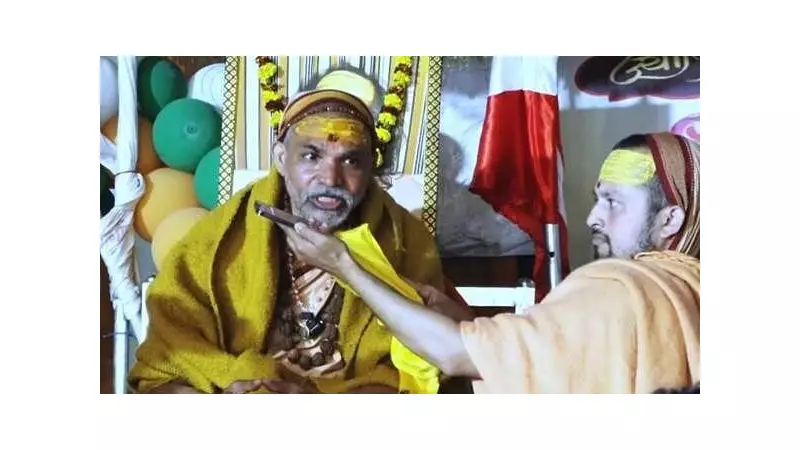
The official in question, identified as Agnihotri, served as the city magistrate of Bareilly. According to reliable sources, his resignation was a direct response to an incident involving the alleged mistreatment of a Hindu seer, which he perceived as a grave insult. This move highlighted the deep-seated sentiments and cultural sensitivities at play in Uttar Pradesh's political and social landscape.
Administrative Reassignment and Current Status
Following his resignation, Agnihotri has been officially suspended and attached to the District Magistrate (DM) office in Shamli district. This suspension indicates that the state authorities are taking disciplinary measures, possibly as part of a broader review of the circumstances surrounding his protest and the initial incident.

The attachment to the Shamli DM office suggests that he remains within the administrative framework but in a different capacity, pending further investigations or decisions. This step is often seen in such cases to ensure impartiality and maintain order while the matter is being addressed.
Implications for Uttar Pradesh Governance
This incident raises important questions about governance, religious sensitivities, and employee conduct in Uttar Pradesh. It reflects how personal convictions can intersect with official duties, leading to complex situations that require careful handling by the state administration.
As the story develops, it will be crucial to monitor any updates on the investigation into the seer's humiliation and the official's suspension. Such events can have wider implications for public trust and administrative integrity in the state.