

UPSC Key: Decoding Union Budget 2026-27, NPR, and Tariff Dynamics for Civil Services Aspirants
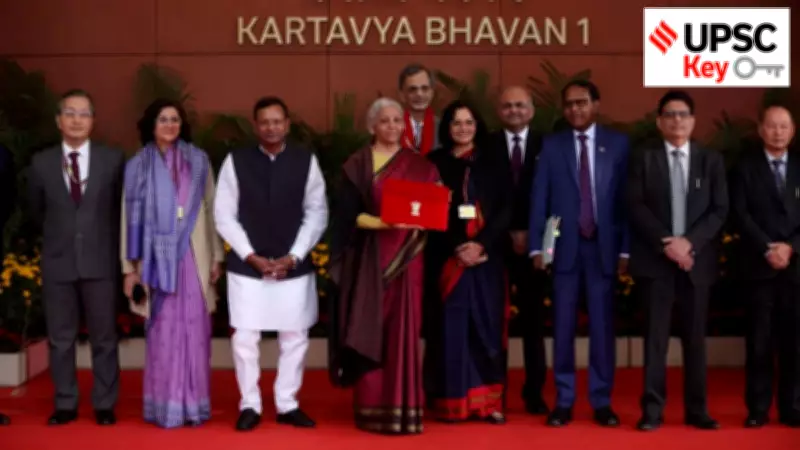
For UPSC candidates, understanding the Union Budget 2026-27 is crucial as it aligns with syllabus topics like current events, government budgeting, and economic development. Presented by Finance Minister Nirmala Sitharaman in New Delhi on February 2, 2026, this budget focuses on manufacturing, infrastructure, and strategic reforms, making it a vital study area for both Preliminary and Main examinations.
Union Budget 2026-27: Key Highlights and UPSC Relevance
The budget emphasizes boosting domestic manufacturing and infrastructure spending, with a capital expenditure allocation of Rs 12.22 lakh crore for FY27, marking a 10% increase. Key points include:
- Economic Growth: Nominal GDP growth is pegged at 10%, with real growth estimated at 6-7% after inflation adjustments.
- Fiscal Metrics: Fiscal deficit targeted at 4.3% of GDP, with a debt-to-GDP ratio of 55.6%, aiming for 50% by 2030-31.
- Sectoral Focus: Initiatives like the Rs 10,000 crore SME Growth Fund, rare earth corridors in coastal states, and a 15% hike in defence budget to Rs 7.85 lakh crore post-Operation Sindoor.
- Taxation Changes: Hike in Securities Transaction Tax for futures and options, impacting markets, and reduced Tax Collected at Source for overseas education and travel.
These elements are relevant for UPSC topics such as government budgeting, economic planning, and resource mobilization under General Studies II and III.

National Population Register: Budget Allocation and Controversies
The budget allocates Rs 6,000 crore for NPR and Census 2027, despite no official notification for enumeration. This ties into UPSC syllabus areas on Indian polity, public policy, and population issues. Key aspects include:
- Legal Framework: NPR is governed by Citizenship Rules, 2003, and serves as a precursor to the National Register of Citizens, raising debates on citizenship and minority rights.
- Historical Context: NPR data was first collected in 2010 and updated in 2015, with previous allocations facing political opposition.
- UPSC Link: Questions on census history, constitutional provisions, and government interventions are common, making this a critical area for aspirants.
Tariff Impacts and Trade Negotiations in Budget 2026-27
The budget addresses US tariff demands by supporting vulnerable sectors like textiles, footwear, and marine products. For UPSC, this relates to economic development, trade policies, and international relations. Highlights include:
- US-Focused Measures: Tax holiday until 2047 for foreign data centre companies, zero customs duty on nuclear equipment, and duty eliminations on aircraft components.
- Domestic Support: Schemes for textile modernization, container manufacturing to reduce China dependency, and SEZ concessions to prevent job losses.
- Exam Relevance: Tariffs, trade agreements, and their effects on India's economy are frequent themes in Prelims and Mains questions.
Key UPSC Topics: 16th Finance Commission, Reforms, and More
The budget references the 16th Finance Commission, recommending grants for local bodies, and includes reforms in banking, IT services, and agriculture. Aspirants should note:
- Finance Commission: Rs 4.35 lakh crore grant for rural local bodies, impacting fiscal federalism and development.
- Reforms: High-level committee for banking sector review, safe harbour taxation for IT services, and initiatives like Bharat-VISTAAR for farmers.
- Skill Development: AI impact assessment committee, NIMHANS expansion, and allied health training to address job market changes.
These topics cover UPSC syllabus areas on governance, economic issues, and social development, essential for comprehensive preparation.

Conclusion: Integrating Budget Insights into UPSC Strategy
For UPSC aspirants, the Union Budget 2026-27 offers a rich source of current affairs material. Focus on understanding budget documents, key terms like fiscal deficit and capital expenditure, and the implications of policies on sectors like manufacturing, trade, and agriculture. Regularly review editorials and practice questions from previous years to strengthen your grasp on these dynamic topics.





