Uttarakhand Temples Face Growing Calls to Restrict Entry to Hindus Only
A significant movement advocating for the prohibition of non-Hindu individuals from entering temples in Uttarakhand is rapidly gaining momentum across the state. This controversial proposal has sparked intense debates and discussions among religious groups, local communities, and political observers. The potential implementation of such a ban could occur in the very near future, specifically before the highly anticipated ceremonial opening of the sacred temple doors, known locally as 'kapats'.
Imminent Timeline Linked to Major Temple Openings
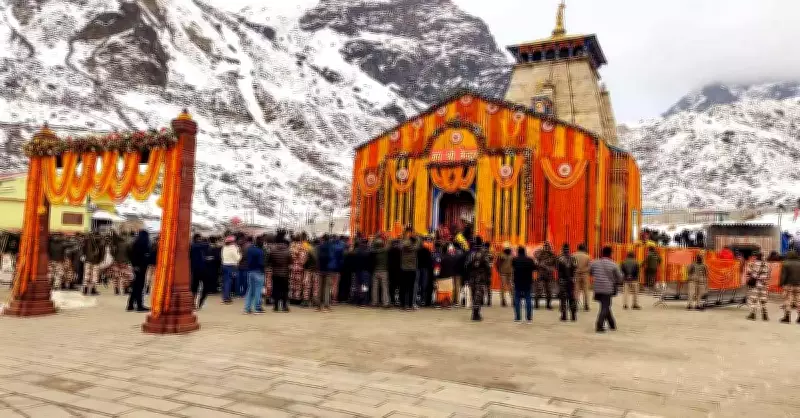
According to recent reports and local sources, this restrictive measure might be enacted prior to the scheduled opening ceremonies of two of India's most revered pilgrimage sites. The Kedarnath Temple, dedicated to Lord Shiva, is set to open its doors on April 22, 2026. Similarly, the Badrinath Temple, devoted to Lord Vishnu, will commence its annual opening rituals on April 23, 2026. These dates mark critical moments in the Hindu religious calendar, drawing thousands of devotees from across the nation and beyond.
The push for this ban reflects deep-seated concerns among certain sections of Hindu religious leaders and conservative groups regarding the preservation of religious sanctity and traditional practices within these ancient shrines. Proponents argue that limiting access exclusively to Hindu worshippers is essential to maintain the spiritual purity and cultural integrity of these holy sites. They emphasize that temples are not merely tourist attractions but sacred spaces for specific religious observance.

Broader Implications and Reactions
This development has ignited a broader conversation about religious freedom, secularism, and tourism management in India. Critics of the proposed ban warn that such a move could undermine the inclusive nature of Indian spirituality and potentially harm the state's tourism economy, which relies heavily on visitors of all faiths. The temples of Uttarakhand, including those in Haridwar and other pilgrimage circuits, are major draws for international and domestic tourists alike.
Local authorities and temple management committees are reportedly evaluating the legal, social, and practical ramifications of implementing such a restriction. The decision-making process involves consultations with religious scholars, legal experts, and community representatives to balance diverse viewpoints. As the debate intensifies, all eyes are on Uttarakhand to see how this sensitive issue will be resolved in the coming weeks leading up to the temple openings.