

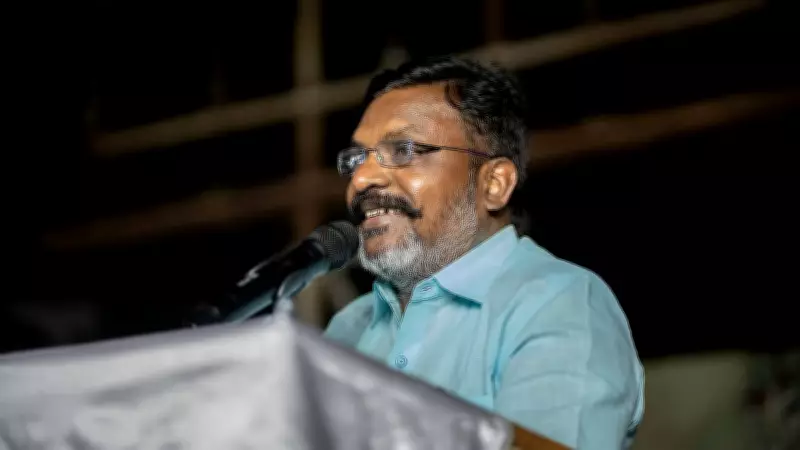
VCK Founder Thol Thirumavalavan Slams BJP Over PM Modi's Parliament Speech Absence
In a sharp critique of the ruling Bharatiya Janata Party (BJP), VCK founder Thol Thirumavalavan has labeled Prime Minister Narendra Modi's decision to skip the concluding speech at Parliament as a "murder of democracy." The accusation was made during a press interaction at Chennai airport, where Thirumavalavan addressed reporters on February 6, 2026.
Allegations of Deliberate Disruption
Thirumavalavan alleged that the BJP deliberately created a ruckus in Parliament to silence the Opposition. According to him, this strategy was employed to avoid accountability on a range of sensitive issues, both international and domestic. He argued that such actions undermine democratic norms and prevent meaningful debate on critical matters affecting the nation.
Context of the Parliament Session
The Parliament session in question was marked by heightened tensions and disruptions. Thirumavalavan pointed out that the chaos was not incidental but a calculated move by the ruling party. He emphasized that this prevented the Opposition from raising important questions and holding the government accountable, particularly on topics that require transparency and public scrutiny.

Broader Implications for Democracy
Thirumavalavan's comments highlight growing concerns about the state of democratic processes in India. By skipping the concluding speech, PM Modi's absence, according to the VCK founder, symbolizes a broader trend of evading parliamentary responsibilities. This, he claims, erodes public trust and sets a dangerous precedent for future governance.
Reactions and Political Ramifications
The allegations have sparked discussions among political analysts and opposition parties. Some view this as a significant moment that could influence public opinion and electoral dynamics. Thirumavalavan's strong wording reflects the frustration of many in the Opposition who feel marginalized in parliamentary proceedings.
As the debate continues, the focus remains on how such incidents impact India's democratic framework and whether they will lead to calls for reform in parliamentary conduct and accountability mechanisms.






