

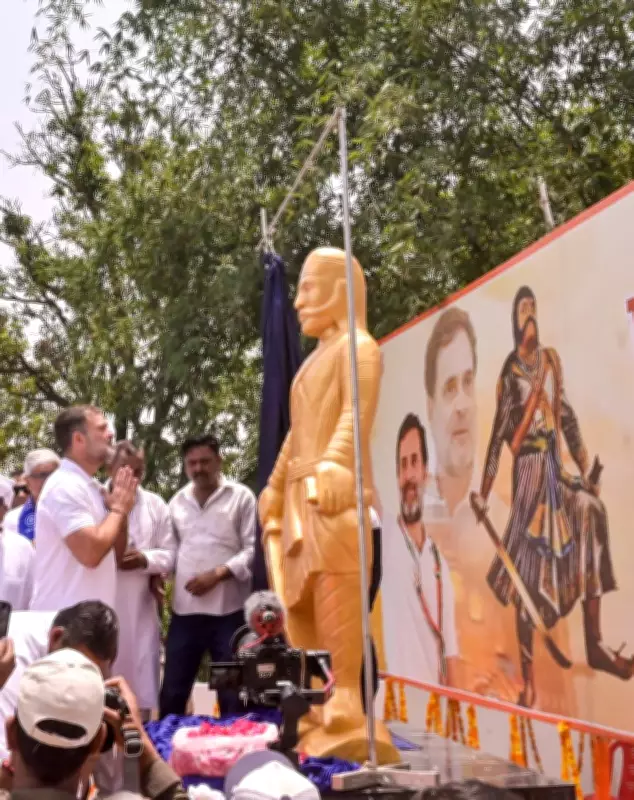
In a significant tribute to a lesser-known hero of India's first war of independence, Congress leader Rahul Gandhi unveiled a statue of Veera Pasi, a Dalit freedom fighter from the 1857 revolt, at Lodhwari village in Raebareli district, Uttar Pradesh. The event, held on May 30, 2026, brought attention to a warrior whose bravery survived in folk memory long after mainstream history forgot him.
Early Life and Background
Born on November 11, 1835, in Lodhwari village, Veera Pasi belonged to the Pasi community, a Scheduled Caste group that constitutes the largest Dalit sub-group in Uttar Pradesh after the Jatavs. The Pasi community accounts for roughly seven per cent of the state's Scheduled Caste population. Despite facing social discrimination, Veera Pasi rose to become a prominent rebel leader during the 1857 uprising against British colonial rule.
Role in the 1857 Revolt
Veera Pasi actively participated in the rebellion, leading local forces against the British East India Company. His guerrilla tactics and deep knowledge of the terrain made him a formidable opponent. He inspired many from his community and other marginalized groups to join the fight for freedom. Folk songs and oral traditions in the Raebareli region still recount his daring exploits, including attacks on British posts and successful evasion of capture.

Legacy and Recognition
For decades, Veera Pasi's contributions were overshadowed by more prominent figures of the 1857 revolt. However, local communities preserved his memory through folklore. The unveiling of his statue by Rahul Gandhi marks a step toward official recognition. The event was attended by local leaders and members of the Pasi community, who expressed hope that this would inspire younger generations to learn about unsung heroes.
Political and Social Implications
The statue unveiling carries political significance, especially in the context of caste dynamics in Uttar Pradesh. By honoring a Dalit warrior, the Congress party aims to connect with marginalized communities ahead of upcoming elections. Social activists have welcomed the move, emphasizing the need to acknowledge the role of Dalits and other backward classes in India's freedom struggle. They argue that mainstream history has often neglected their sacrifices.
Conclusion
Veera Pasi's story is a reminder of the diverse and inclusive nature of India's fight for independence. As the nation continues to rediscover its forgotten heroes, the recognition of Veera Pasi serves as a step toward a more comprehensive historical narrative. His legacy now stands immortalized in bronze, ensuring that future generations remember the Dalit warrior who fought valiantly for freedom.






