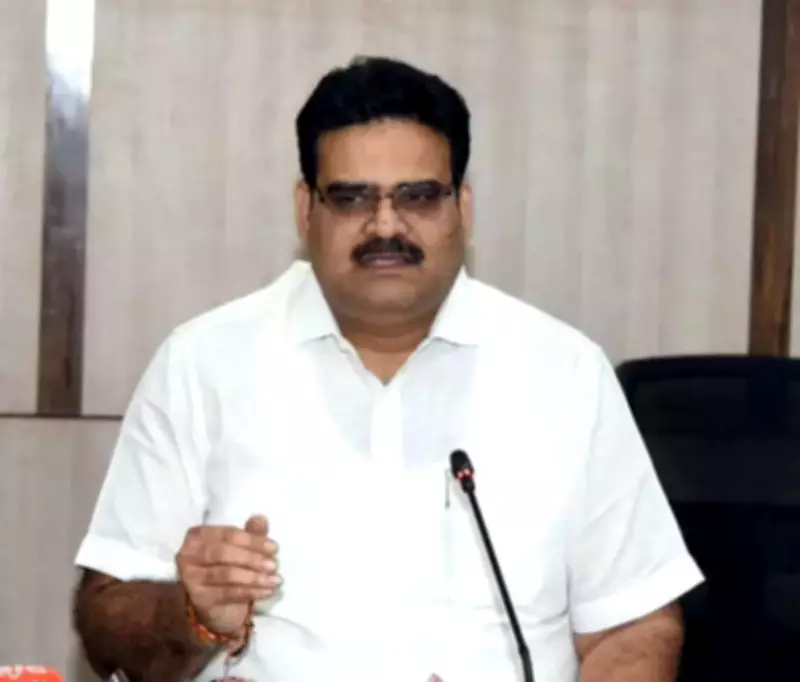
In Vijayawada, Lanka Dinakar, the chairman overseeing the implementation of the 20-Point Programme, has enthusiastically endorsed the Union Budget 2027, labeling it a "Viksit Bharat – Modi 3.0 budget." He described this financial blueprint as a robust and comprehensive framework designed to propel India towards self-reliance, inclusivity, and sustainable growth on a national scale.
Distinct Modi-Mark and Core Principles
Addressing the media on Sunday, Dinakar highlighted that the ₹53.47 lakh crore budget carries what he termed the "distinct Modi-mark." This signature approach is anchored in several key pillars: harnessing youth power, advancing the Sabka Saath–Sabka Vikas (collective effort, collective progress) ethos, empowering women, and uplifting the middle class. He emphasized that the budget is deeply rooted in the principles of Swadeshi (self-sufficiency) and Antyodaya (upliftment of the last person), reinforcing India's determined journey to evolve into a developed nation.
Praise for Leadership and Achievements
Dinakar also extended commendation to Union Finance Minister Nirmala Sitharaman for presenting her ninth consecutive budget, a landmark achievement that he noted vividly reflects India's Nari Shakti (women's power). This milestone underscores the government's commitment to continuity and strategic financial planning under steady leadership.

Key Budgetary Focus Areas
The chairman elaborated on several critical areas where the budget demonstrates its strength and vision:
- Safeguarding Farmers' Interests: Ensuring protection and support for the agricultural community.
- Strengthening Khadi and Village Industries: Under the Mahatma Gandhi Swadeshi Scheme, promoting rural entrepreneurship and traditional crafts.
- Focus on Self-Reliance and Reforms: Driving initiatives that enhance purchasing power and sustain robust economic growth.
Notable Announcements and Initiatives
Dinakar welcomed a series of significant announcements within the budget, which include:
- Establishment of three bio-pharma centres to boost healthcare innovation.
- Development of 20 national waterways to improve logistics and connectivity.
- Creation of one lakh Ayushman health and wellness centres to expand healthcare access.
- Setting up five regional medical tourism hubs under the Public-Private Partnership (PPP) model.
Andhra Pradesh-Specific Benefits
Highlighting the direct advantages for Andhra Pradesh, Dinakar pointed out several tailored provisions:
- High-Speed Railway Corridors: The state's inclusion in three of the seven proposed corridors is set to significantly enhance connectivity with major economic hubs, fostering trade and mobility.
- Rare Earth Mineral Projects: Andhra Pradesh has secured a spot among states identified for rare earth mineral initiatives, promising economic diversification and resource development.
- Tourism Development: Special funds allocated for tourism in Araku and Pulicat lake are expected to boost employment opportunities and attract increased tourist inflows, revitalizing local economies.
Investment and Economic Incentives
Further bolstering the state's prospects, Dinakar welcomed tax holidays until 2047 for data centres and artificial intelligence industries. This incentive is anticipated to draw substantial investments to key locations like Visakhapatnam and Amaravati, positioning Andhra Pradesh as a hub for cutting-edge technology and innovation.
Additional Benefits for the State
Dinakar added that Andhra Pradesh stands to gain from several other initiatives outlined in the budget:

- SHE Initiatives for Lakhpati Didis: Programs aimed at empowering women to become self-reliant entrepreneurs.
- Women's Hostels under VGF: Enhanced facilities under the Viability Gap Funding scheme to support women's education and safety.
- Trauma Care Centres: Improved healthcare infrastructure to address emergency medical needs.
- Expanded Rural Employment: Under the revamped VBG–MGNREGS, increasing job opportunities in rural areas to uplift livelihoods.
Fiscal Discipline and Growth Orientation
In his concluding remarks, Dinakar affirmed that the budget is not only fiscally disciplined but also growth-oriented, balancing prudent financial management with ambitious developmental goals. This dual focus aims to ensure long-term stability while driving progressive economic advancements across the nation.