

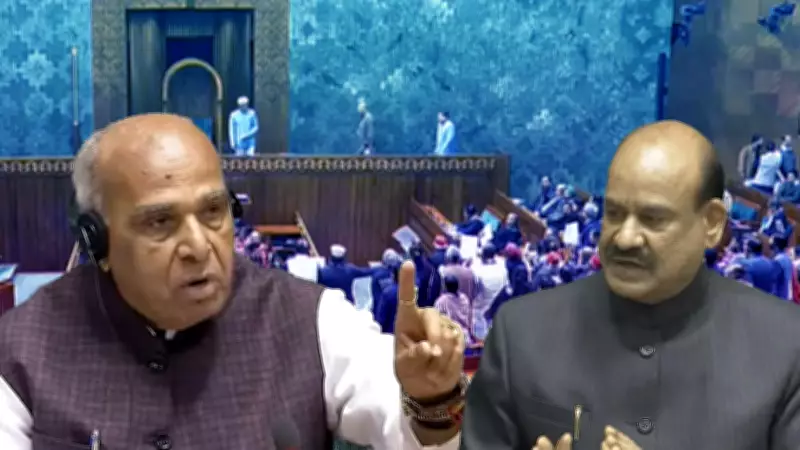
Lok Sabha Voice Vote Rejects No-Confidence Motion Against Speaker Om Birla
The Lok Sabha experienced high-stakes political drama as a no-confidence motion against Speaker Om Birla was decisively rejected through a voice vote during tumultuous parliamentary proceedings. This motion, introduced by Congress MP Mohammad Jawed, sparked a sharp and extended two-day debate between the ruling alliance and the Opposition, highlighting deep-seated political divisions within the House.
Intense Debate and Protests
The debate saw over forty Members of Parliament actively participating, making it one of the most intense parliamentary confrontations in recent memory. As protests and sloganeering erupted on the floor, the presiding officer intervened to call for a voice vote, which ultimately led to the resolution being declared defeated. The atmosphere was charged with tension, reflecting the broader political rift in Indian politics.
Amit Shah's Strong Criticism
Union Home Minister Amit Shah delivered a forceful critique of the Opposition's move, arguing that it undermined the dignity of Parliament and the esteemed office of the Speaker. Shah emphasized that such motions are exceptionally rare and stressed the Speaker's role as a neutral custodian who represents the entire House impartially. His remarks underscored the government's stance on maintaining parliamentary decorum and respect for institutional positions.

Implications for Parliamentary Functioning
This episode has brought to the forefront the challenges in parliamentary functioning amid political polarization. The use of a voice vote to settle the matter, rather than a recorded division, has sparked discussions on procedural norms and the dynamics of power in the Lok Sabha. It serves as a reminder of the ongoing struggles between the ruling and opposition parties in shaping legislative discourse.
The rejection of the no-confidence motion against Speaker Om Birla marks a significant moment in India's parliamentary history, potentially influencing future interactions and strategies within the House. As political battles continue, this event will likely be referenced in debates on parliamentary ethics and the role of the Speaker in fostering bipartisan cooperation.






