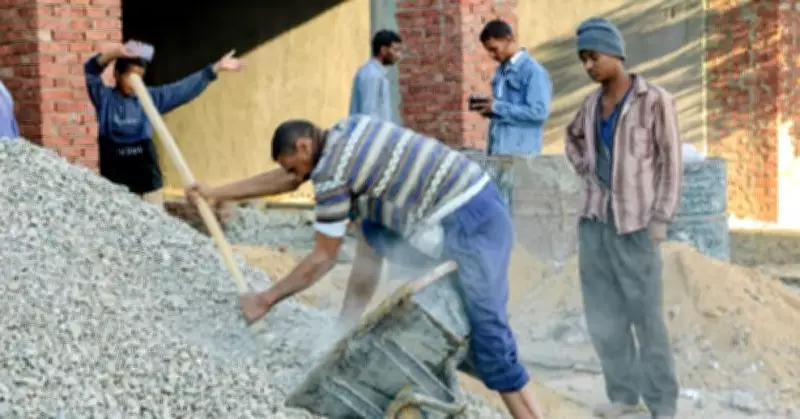
Raushan Kumar, a native of Bihar, now lies paralysed in Kannur after a workplace accident. He is one of thousands of migrant workers in Kerala who have been denied rightful wages and compensation, leaving them vulnerable and without support. A labour department official attributed this exploitation primarily to the lack of awareness among migrant workers about their eligible wages and rights.
Systemic exploitation of migrant labour
According to the official, many migrant workers are unaware of the minimum wage rates and their entitlements under the law. Employers often take advantage of this ignorance, paying far less than the legally mandated amounts. In cases of workplace injuries, workers are frequently denied compensation or medical benefits, forcing them into debt and poverty.
Kerala, which relies heavily on migrant labour for construction, manufacturing, and other sectors, has seen a steady influx of workers from states like Bihar, West Bengal, and Assam. Despite laws protecting their rights, enforcement remains weak, and many workers do not report violations for fear of losing their jobs or facing retaliation.

Impact on workers and families
Raushan's case illustrates the dire consequences. After his accident, his employer refused to cover medical expenses or provide compensation, leaving him dependent on charity. His family back home in Bihar struggles to make ends meet. Similar stories are common across the state, with workers often ending up in informal settlements without access to healthcare or legal aid.
The labour department official acknowledged that the government has launched awareness campaigns and set up helplines, but outreach remains limited. Migrant workers, many of whom speak different languages and have low literacy, find it difficult to navigate the system. Trade unions and NGOs have stepped in to help, but the scale of the problem is vast.
Need for stronger enforcement
Experts call for stricter enforcement of labour laws, including surprise inspections and penalties for errant employers. They also recommend simplifying the process for filing complaints and providing multilingual support. The official said that the department is working on a mobile app to help workers track their wages and report violations anonymously. However, until such measures are fully implemented, thousands of migrant workers remain at risk of wage theft and compensation denials, trapped in a cycle of exploitation with little recourse.