

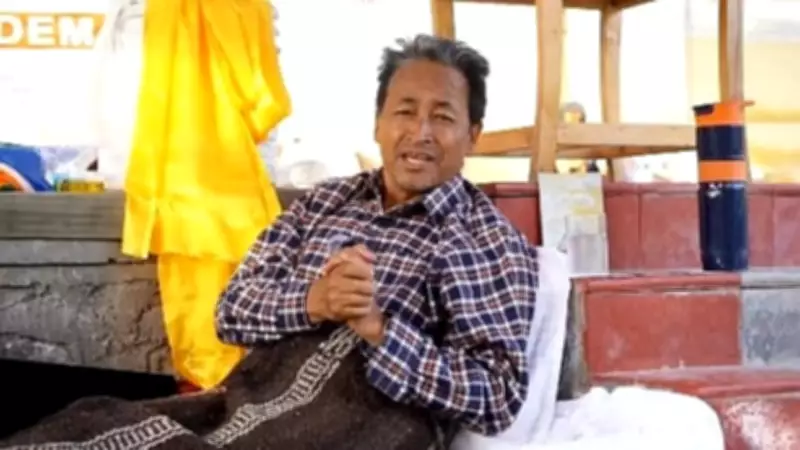
Sonam Wangchuk's Release Signals Tactical Pause in Ladakh Agitation
The release of prominent climate activist Sonam Wangchuk from custody has been interpreted by observers as a strategic tactical pause in the ongoing agitation in Ladakh. However, this development does not signify an end to the broader movement, which continues to be vigorously spearheaded by two key political platforms: the Leh Apex Body (LAB) and the Kargil Democratic Alliance (KDA). The agitation, rooted in demands for greater political autonomy, environmental safeguards, and socio-economic rights, remains a significant force in the region's political landscape.
Agitation Led by Leh Apex Body and Kargil Democratic Alliance
The Ladakh agitation is being coordinated and driven by the Leh Apex Body (LAB) and the Kargil Democratic Alliance (KDA), which represent the diverse interests and concerns of the local population. These organizations have been at the forefront of mobilizing public support and articulating demands related to governance, cultural preservation, and climate action. Their sustained efforts highlight the deep-seated issues that have fueled the movement, including calls for statehood or union territory status with legislative powers, protection of land and resources from external exploitation, and addressing the impacts of climate change on the fragile Himalayan ecosystem.
Sonam Wangchuk's Role and the Current Situation
Sonam Wangchuk, a renowned environmentalist and educator, has been a vocal advocate for Ladakh's causes, using his platform to raise awareness about climate change and indigenous rights. His release is seen as a temporary de-escalation measure, possibly aimed at reducing tensions and creating space for dialogue. However, sources indicate that the core grievances of the agitation remain unresolved, with the LAB and KDA continuing to organize protests, rallies, and advocacy campaigns. The movement's persistence underscores the unresolved political and environmental challenges facing Ladakh, particularly in the context of its status within Jammu and Kashmir and India's federal structure.

Implications for Jammu and Kashmir and National Politics
The ongoing agitation in Ladakh has broader implications for the political dynamics of Jammu and Kashmir and national Indian politics. It reflects the complex interplay between regional aspirations, central governance, and environmental concerns. As the LAB and KDA maintain their activism, the situation demands careful attention from policymakers to address legitimate demands while ensuring stability. The tactical pause represented by Wangchuk's release may offer an opportunity for renewed negotiations, but without substantive progress, the agitation is likely to persist, influencing debates on federalism, climate policy, and minority rights in India.






