

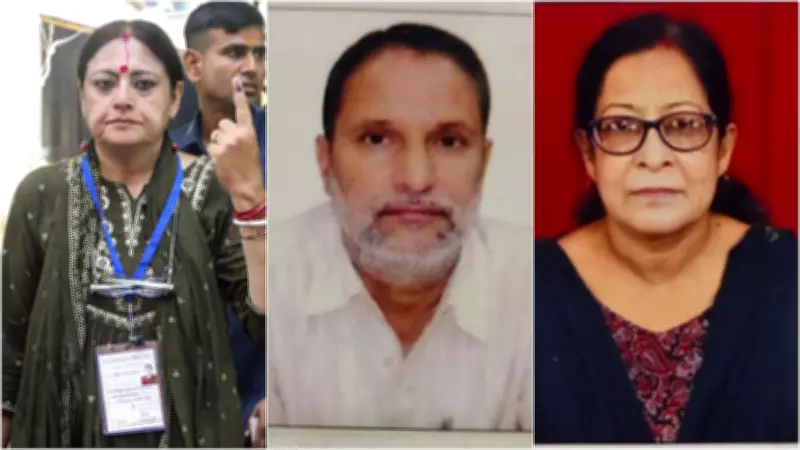
The West Bengal Assembly Elections 2026 are set to witness a crucial three-cornered contest in the Asansol Dakshin constituency. This region, characterized by a diverse mix of industrial workers, traders, and urban middle-class voters, is expected to be a key battleground in the upcoming elections.
Asansol Dakshin: A Key Constituency
Asansol Dakshin holds significant importance due to its demographic composition. The presence of a large industrial workforce, along with a substantial trading community and an urban middle class, makes it a microcosm of the state's varied electorate. This diversity is likely to influence voting patterns and candidate strategies.
Three-Cornered Contest
The seat is poised for a triangular fight among the major political parties. Each contender is expected to focus on issues pertinent to the local populace, such as employment, infrastructure, and social welfare. The outcome here could provide insights into broader electoral trends in West Bengal.

Voter Dynamics
- Industrial Workers: Concerns over job security, wages, and industrial development are paramount.
- Traders: Issues related to business regulations, taxation, and market access are likely to dominate.
- Urban Middle Class: Priorities include better civic amenities, education, and healthcare.
The interplay of these voter segments will be critical in determining the winner. As the election date approaches, campaigns are expected to intensify, with parties tailoring their messages to resonate with the local electorate.
Looking Ahead
Asansol Dakshin is just one of many constituencies that will shape the 2026 Assembly elections in West Bengal. However, its unique socioeconomic profile makes it a bellwether for the state's political climate. Political analysts and voters alike will be watching closely as the contest unfolds.






