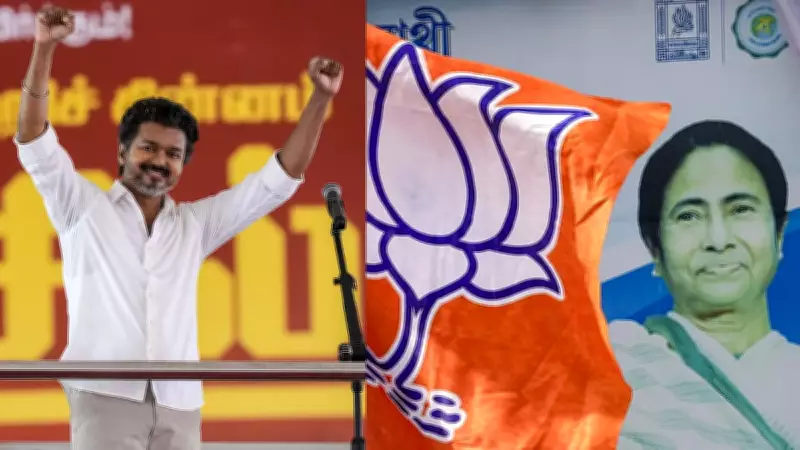
The recent electoral debacles faced by the Dravida Munnetra Kazhagam (DMK) in Tamil Nadu and the Trinamool Congress (TMC) in West Bengal carry important messages for political parties across India. These outcomes highlight the limits of political consulting and the dangers of over-reliance on external strategists.
What Went Wrong for DMK and TMC?
Both parties, despite their strong regional roots, suffered unexpected losses. In Tamil Nadu, the DMK was unable to counter the AIADMK's resurgence, while in West Bengal, the TMC faced a strong challenge from the BJP. Analysts point to a common factor: an over-dependence on political consultants who misread local sentiments.
The Role of Political Consultants
Political consulting has become a booming industry in India, with firms offering services ranging from data analytics to campaign management. However, the DMK and TMC cases show that consultants often lack the grassroots understanding needed to navigate complex regional dynamics. They may rely on generic strategies that fail to resonate with voters.

For instance, in Tamil Nadu, consultants underestimated the appeal of local issues like water scarcity and caste equations. In West Bengal, they failed to gauge the rising influence of Hindutva politics. These missteps proved costly.
Lessons for All Parties
The message is clear: political consulting has its limits. Parties must reassess what functions they can outsource and at what risk. Core activities like understanding voter behavior, building local networks, and crafting authentic messaging should remain in-house.
Striking the Right Balance
Consultants can be useful for specific tasks like digital outreach or data analysis, but they cannot replace the intuition and experience of local leaders. Parties need to strike a balance between leveraging external expertise and preserving internal decision-making.
Ultimately, the DMK and TMC's setbacks serve as a wake-up call. Indian politics is too diverse and nuanced to be left entirely to consultants. Parties must invest in building their own capacities and trust their ground-level workers.