

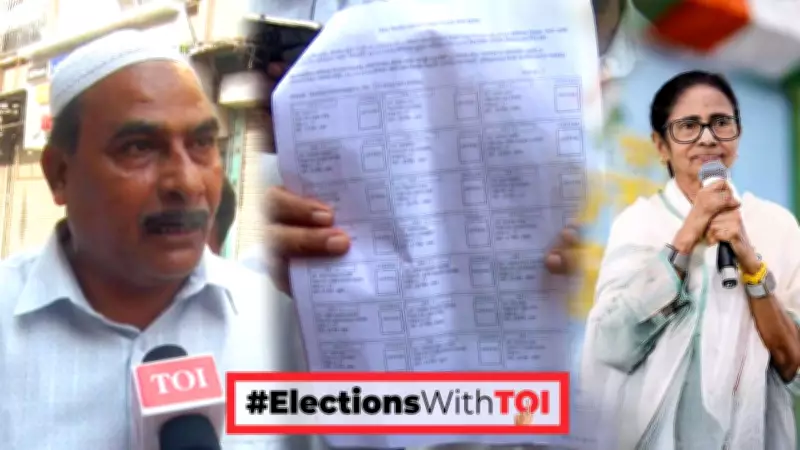
West Bengal Voter Roll Revision Sparks Major Political Controversy in Howrah
The Special Intensive Revision (SIR) of voter rolls has ignited a significant political firestorm in Howrah district, just months before West Bengal's crucial 2026 assembly elections. Minority supporters of the ruling Trinamool Congress (TMC) are leveling serious allegations of bias against the Election Commission of India (ECI) following the deletion of approximately 91 lakh names from electoral rolls across the state.
Massive Deletions Raise Alarm in Howrah District
In Howrah district alone, election authorities have removed approximately six lakh names from voter lists as part of the comprehensive revision process. The scale of these deletions has triggered widespread concern among local communities, with numerous families and community leaders reporting complete removal from electoral registers. Many affected individuals claim they were legitimate voters who had participated in previous elections without issue.
The controversial "logical discrepancy" filter has emerged as a particularly contentious aspect of the revision process. This mechanism resulted in the striking off of an additional 27 lakh names statewide, beyond those removed due to confirmed absence or death. Election officials have defended this approach as necessary for maintaining accurate voter databases, but opposition parties and affected citizens question its implementation and timing.

Disenfranchisement Concerns Intensify Political Tensions
With the 2026 assembly elections approaching, the voter roll controversy has significantly heightened political tensions in West Bengal. TMC supporters in Howrah's minority communities allege systematic bias in the revision process, claiming the deletions disproportionately affect their demographic. Local leaders report that entire families have been rendered ineligible to vote, creating what they describe as a potential crisis of democratic representation.
Election authorities have advised affected voters to approach designated tribunals to resolve registration issues, but many citizens express concerns about the accessibility and timeliness of this recourse. The logistical challenges of navigating tribunal procedures, combined with limited awareness about the process, have left numerous voters uncertain about their electoral status as election preparations intensify.
Broader Implications for West Bengal's Electoral Landscape
The voter roll controversy extends beyond Howrah district, reflecting broader concerns about electoral integrity in West Bengal. Political analysts note that such disputes over voter lists have become increasingly common in the state's heated political environment, where even minor electoral advantages can significantly impact election outcomes.
The timing of the Special Intensive Revision has drawn particular scrutiny, with critics questioning whether the extensive deletions so close to assembly elections might influence voter turnout and election results. As political parties mobilize their bases and prepare for campaigning, the resolution of these voter registration issues will likely play a crucial role in shaping the electoral narrative leading up to the 2026 polls.
With democratic participation at stake, all eyes remain on how election authorities will address the growing concerns about potential disenfranchisement while maintaining the integrity of West Bengal's electoral process.






