Post-SIR Electoral Rolls Trigger Major Political Reshuffle in West Bengal
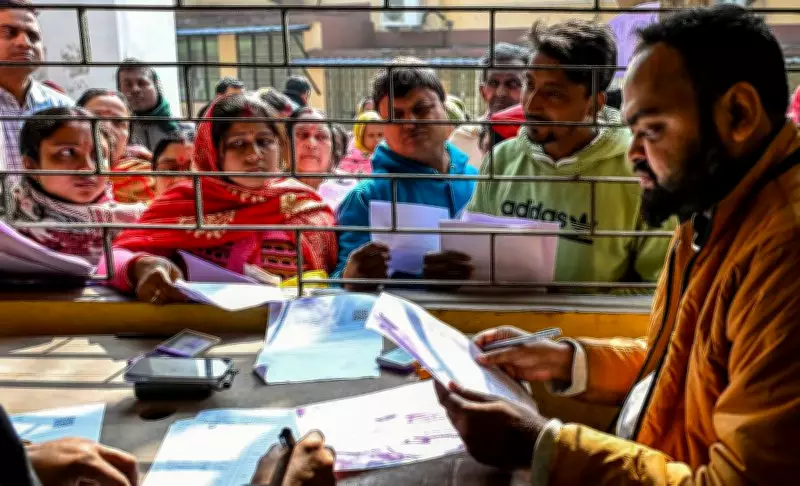
The release of supplementary electoral rolls following the Summary Revision (SIR) has fundamentally altered the political landscape of West Bengal, setting the stage for a fiercely contested electoral battle. This administrative exercise has not just updated voter lists but has catalyzed a profound demographic and political churn across key regions of the state.
Border Belts Witness Dramatic Voter Base Transformation
Areas along West Bengal's international and inter-state borders have emerged as epicenters of this electoral upheaval. The revised rolls indicate a substantial influx of new voters in these sensitive zones, which are often hotbeds of political mobilization. This shift is particularly pronounced in districts sharing boundaries with Bangladesh and neighboring Indian states, where migration patterns and settlement issues have long influenced electoral dynamics.
Political analysts suggest that these changes could recalibrate the power equations in border constituencies, traditionally swing seats that determine the fate of major parties. The altered voter composition may force political outfits to rethink their campaign strategies and outreach programs in these strategically vital belts.

Matua Community Axis Becomes Pivotal Electoral Battleground
The Matua community, a politically influential Scheduled Caste group with a significant presence in North and South 24 Parganas districts, has seen notable adjustments in its voter demographics. The SIR process has refined the electoral data pertaining to this community, which commands considerable sway over multiple assembly segments.
This development assumes critical importance as the Matua vote bank has historically been a decisive factor in West Bengal politics. Parties are now compelled to reassess their engagement with Matua concerns, including citizenship issues and socio-economic welfare, as the updated rolls redefine the community's electoral weight and distribution.
Minority-Dominated Districts Experience Sharp Demographic Churn
Districts with substantial minority populations, particularly in the state's central and northern regions, have undergone a marked transformation in their electoral profiles. The supplementary rolls reflect changes in voter numbers and composition that could influence the political narrative in these areas.
- Revised data may impact the representation and policy focus on minority-centric issues.
- Parties might need to tailor their manifestos to address the evolving aspirations of these constituencies.
- The churn could lead to realignments of traditional voting blocs and alliances.
Implications for Upcoming Electoral Contests
The redrawn poll map presents both challenges and opportunities for political stakeholders in West Bengal. The Bharatiya Janata Party (BJP), the ruling Trinamool Congress (TMC), and the Left Front-Congress alliance must now navigate this reconfigured terrain.
- Campaign strategies require recalibration to address the new voter demographics.
- Resource allocation and candidate selection may need revision based on updated constituency profiles.
- The changes underscore the importance of grassroots mobilization and accurate voter data in modern elections.
This electoral reshuffle, driven by the post-SIR rolls, underscores the dynamic nature of democracy in West Bengal, where administrative processes can precipitate significant political realignments. As parties digest these changes, the state braces for a highly competitive and unpredictable electoral season, with the revised voter base set to play a decisive role in shaping its political future.